Best Office Chairs for Hip Pain (2026): A PT-Reviewed Buying Guide
Dr. Lena Park, DPT··1 min read
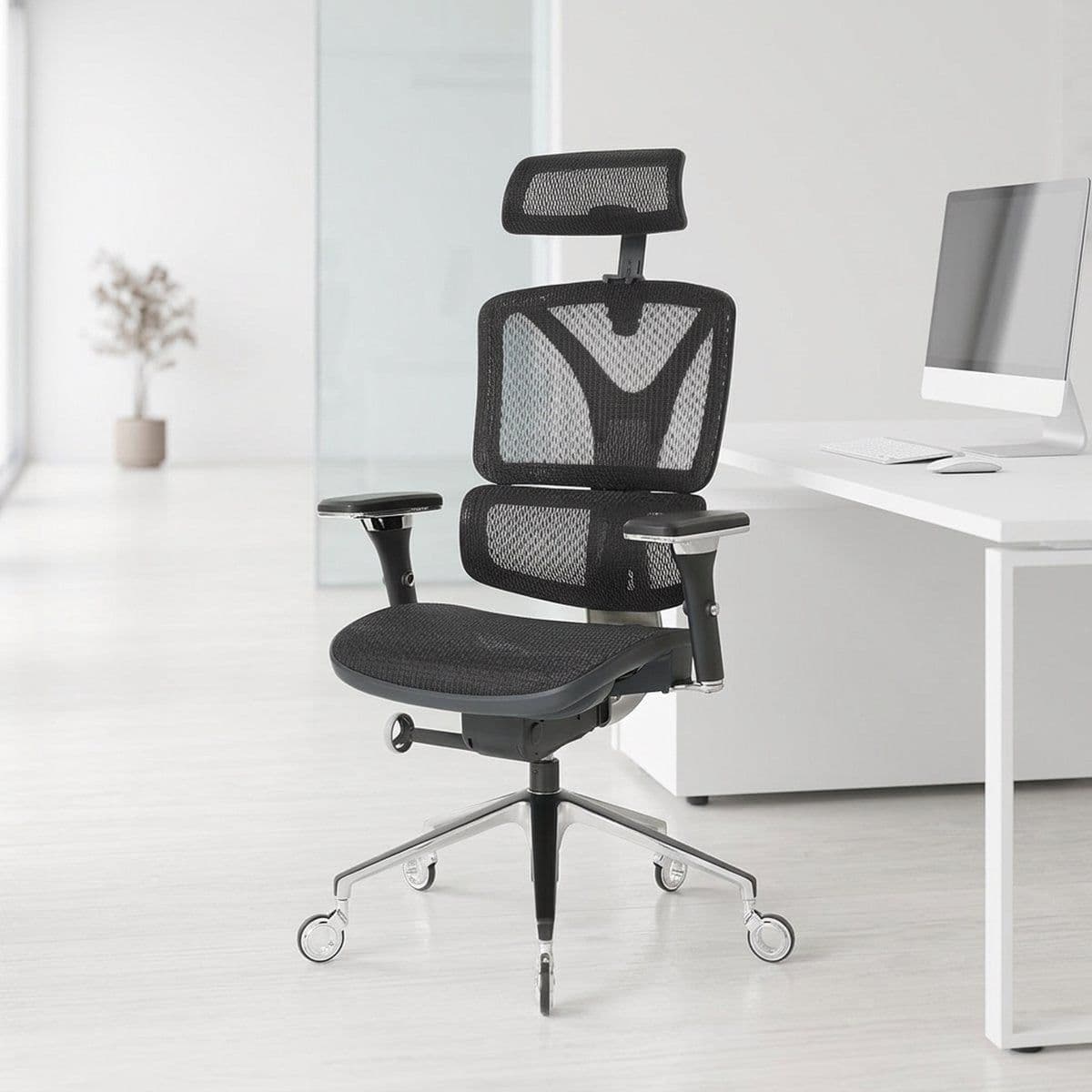
Hip pain at the desk usually starts with the chair, not the hip. A doctor of physical therapy walks through the seat features that actually unload the hip joint, plus eight chairs that get them right.
If your hips ache by 3 p.m., the chair is the first thing to interrogate — not your hip. A seat that pushes the femoral heads up into the acetabulum, pins the pelvis in posterior tilt, or digs a hard edge into the back of your thighs will produce hip pain in a healthy joint and amplify it in an arthritic one. Fix the chair and a surprising amount of "hip pain" disappears.
I'm a doctor of physical therapy, and most of the desk-worker hip complaints I see in clinic come down to four chair features: an open hip angle, a waterfall seat edge, independent lumbar adjustment, and a seat pan you can actually fit. The chairs below were chosen against that rubric — not against marketing copy.
What hip pain at a desk actually is
Three patterns dominate. Anterior hip pinching is the classic 90/90 sitting posture: hip flexed to a right angle for hours, capsule and labrum compressed, hip flexors short. Lateral hip / glute-medius pain is a chair too wide or too soft, so the pelvis collapses sideways every time you shift. Deep posterior ache is usually the piriformis under a hard, flat seat pan, often with the sciatic nerve along for the ride.
All three respond to the same intervention: open the hip angle past 90°, redistribute pressure off the ischial tuberosities, and stop locking the pelvis into one posture. The chairs that win below are the ones that let you do that.
The four features that actually matter
- Open hip angle. Either a forward seat tilt (5–8°) or a saddle-style cutout. Both drop the knees below the hips and unwind the hip flexors.
- Waterfall seat edge. The front of the seat rolls down so it doesn't compress the hamstring or the femoral nerve.
- Independent lumbar height. A lumbar bump that lands on the wrong vertebra makes hip pain worse by tipping the pelvis. You need to be able to move it.
- Seat-pan depth you can fit. Two-to-three fingers of clearance behind the knee. Too deep and you slouch; too shallow and the thigh dangles unsupported.
Notice what isn't on the list: massage modes, gaming aesthetics, headrests. None of them treat hip pain. A $1,200 chair without a waterfall edge will hurt more than a $260 chair that has one.
At a glance
Eight chairs that get hip support right
Quick comparison. Detailed reviews follow.
| Product | Best for | Score | Trial | |
|---|---|---|---|---|
Steelcase Leap V2 | Best overall | 4.7/10 | ||
HAG Capisco | Best for hip OA | 4.6/10 | ||
Duorest Alpha | Best dual-back | 4.3/10 | ||
Nouhaus Ergo3D | Best mid-range | 4.3/10 | ||
GABRYLLY Mesh | Most adjustable | 4.5/10 | ||
FelixKing FK918-H | Best budget | 4.4/10 | ||
KOLLIEE Armless | Best for tight desks | 4.2/10 | ||
SIDIZ T50 | Best design | 4.2/10 |
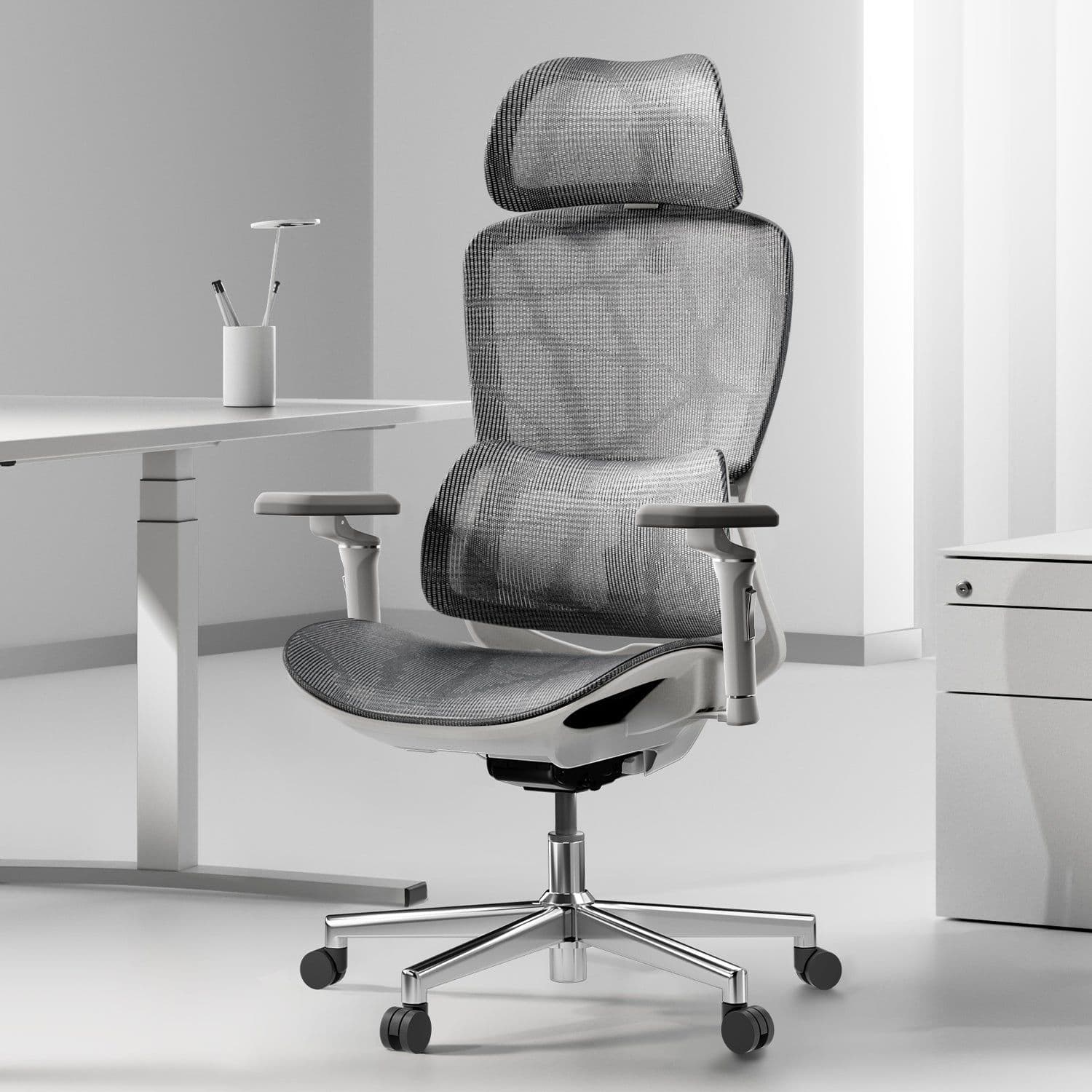
Prices reflect typical 2026 street price. Affiliate disclosure: we may earn a commission on links to retailers.
1. Steelcase Leap V2 — Best overall
The Leap V2 wins on the boring axis: every adjustment that matters for hip pain is present and independent. Lumbar firmness and height move separately. Seat depth slides 4 inches. Seat-pan tilt is real, not a token recline. The 400-lb capacity and 12-year warranty mean you'll outgrow your job before you outgrow the chair.
If you have arthritic hips and a budget, this is the chair. The only complaint I hear in clinic: the standard cushion is firm. A used or refurbished V2 can land under $700; the seat foam restores with a $40 aftermarket pad.
2. HAG Capisco — Best for hip osteoarthritis
This is the saddle-hybrid the SERP keeps recommending, and it deserves the recommendation. The split saddle drops the hip angle to roughly 135°, which moves the femoral head out of impingement and increases joint space. You can sit forward (perch), straddle backwards, or lean back conventionally; the chair encourages frequent posture change, which is half the prescription for hip OA.
Trade-offs: there is no traditional seat back to lean fully into, and it takes a week to adapt. Patients who stick with it for two weeks rarely go back.
3. Duorest Alpha — Best dual-back design
Two independent backrests track the left and right side of your spine separately. For asymmetric hip pain — a tighter right hip flexor, a labral tear on one side — the dual back stops the pelvis from rotating each time you shift. Seat pan is generous; arm range is wide.
4. Nouhaus Ergo3D — Best mid-range
The cheapest chair on the list with a true waterfall edge and 4D arms. Mesh back ventilates well; lumbar is height-adjustable (not just firmness). Assembly is genuinely 15 minutes. The recline lock is plasticky — that's the cost of the price point.
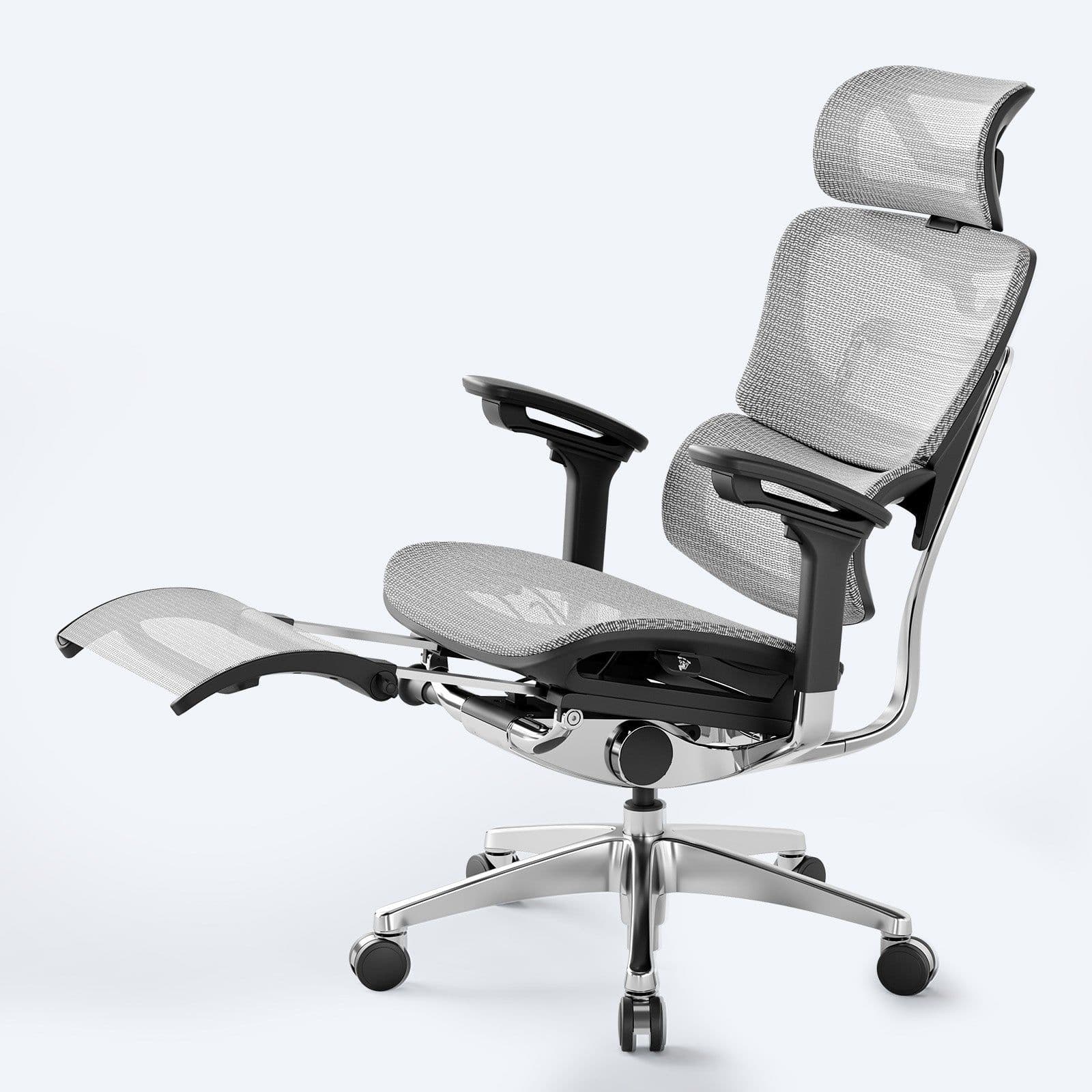
5. GABRYLLY Mesh — Most adjustable
10-inch height range covers users from about 5'0" to 6'4". Fold-up arms get out of the way for tasks that need a free shoulder. The seat pan is on the shorter side — better for users under 5'9" who otherwise can't get the back of their thigh off the seat.
6. FelixKing FK918-H — Best budget
Under $200 with five legitimate adjustment points and a real lumbar pillow. It will not last 12 years. It will, however, be dramatically better than the kitchen chair you're currently using, and that's the comparison that matters most readers.
7. KOLLIEE Armless — Best for tight desks
Armless is underrated for hip pain. Fixed armrests force a static pelvis; without them, you naturally micro-shift, which is exactly what an arthritic hip needs. Also fits under low desks where most ergonomic chairs hit the apron.
8. SIDIZ T50 — Best design
Korean-engineered S-curve frame with a deeper-than-average seat pan. If you're 6'0"+ and most chairs leave your thighs hanging, the T50 is the rare consumer-tier chair with a 20+ inch seat depth. Aesthetics are restrained — it looks like a chair, not a spacecraft.
What a hip-friendly chair gets right
- Independent lumbar height (not just firmness)
- Waterfall seat edge that you can feel curve down with one finger
- Seat-pan depth adjustment of at least 2 inches
- Forward seat tilt or saddle-style cutout
- 4D armrests, or none at all
- Real recline range past 110°, not a token rock
Red flags
- Fixed lumbar bump (lands wrong on most pelvises)
- Hard, flat seat edge — the #1 cause of posterior hip ache
- Fixed armrests at the wrong height
- Seat depth that can't be changed
- Marketing-driven "massage" or "gaming" features in place of real adjustments
- Capacity rating below your actual weight (collapses lumbar geometry)
How to set up any chair to protect the hips
Once you have a chair with the right hardware, the setup matters more than the brand.
- Set seat height so hips are slightly above knees (about 5°).
- Slide seat pan back until you have two-to-three fingers behind the knee.
- Position lumbar support to land on L3–L4 (around belt-line, not lower-back ribs).
- Drop arms so shoulders fully relax — not propped up, not forced down.
- Stand once every 30 minutes for 60 seconds. The chair is a tool; movement is the medicine.
Frequently asked questions
What kind of chair is best for hip pain?
A chair that opens the hip angle past 90° (forward tilt or saddle-style), has a waterfall seat edge, and lets you adjust lumbar height independently. For arthritic hips specifically, a saddle stool or saddle-hybrid like the HAG Capisco outperforms any conventional chair.
Can a bad office chair cause hip pain?
Yes. A flat, hard seat edge compresses the back of the thigh and the piriformis. A locked 90° hip angle shortens the hip flexors and pinches the anterior hip capsule. Both produce reproducible hip pain in healthy joints within weeks of daily use.
How should I sit at a desk if I already have hip pain?
Hips slightly above knees, seat pan with 2–3 fingers of clearance behind the knee, lumbar support at belt-line, arms relaxed. Stand or change posture every 30 minutes — static loading is what aggravates hip pain, regardless of the position.
Is a saddle chair really better for hip osteoarthritis?
For most patients, yes. The open hip angle on a saddle seat reduces compression on hip cartilage and increases joint space. The trade-off is a shorter sit tolerance until your trunk muscles adapt — usually one to two weeks.
Are standing desks a substitute for a hip-friendly chair?
No. Standing all day produces its own hip and lumbar load. The right answer is alternation: a chair that supports the hip when seated, and a desk that lets you stand when you want to.
Not sure which chair fits your body?
Tell us your height, weight, and primary pain pattern. Our PT-led team will pick the right model and the right setup — free.
Written by
Dr. Lena Park, DPTDoctor of Physical Therapy and lead reviewer at Ergoprise. Specializes in workplace posture, cervical-spine load, and the biomechanics of seated work.
Share:
Related Posts
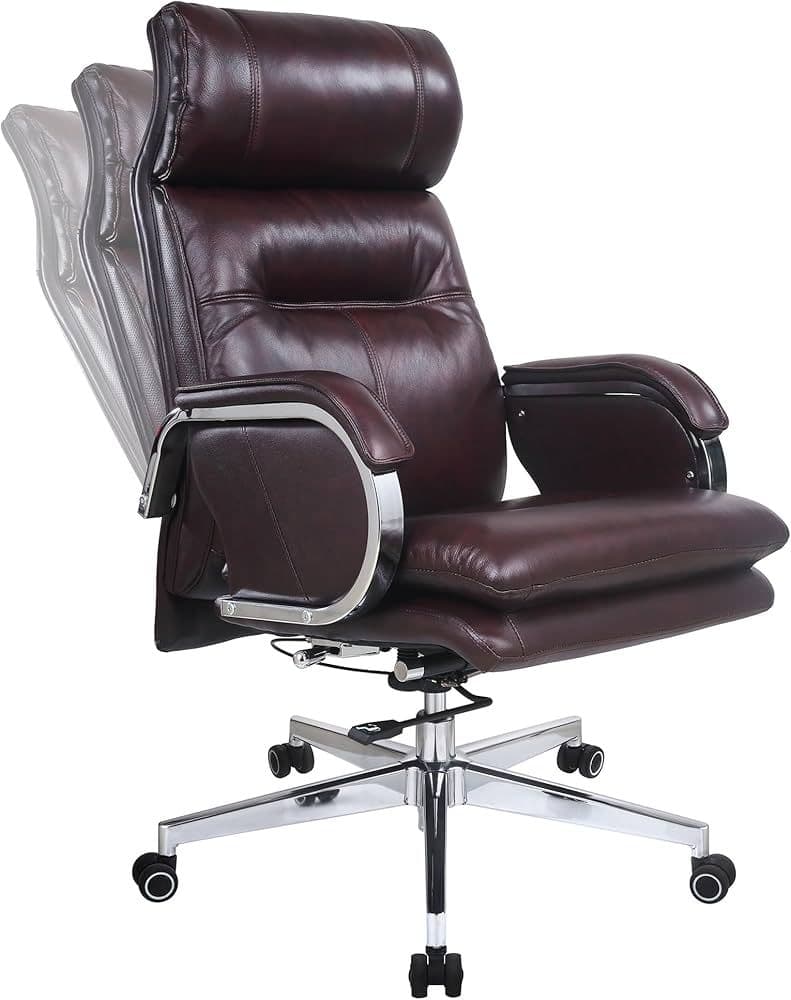
5 Best Genuine Leather Office Chairs in 2026 (Top-Grain & Full-Grain Only)
A clinical take on real leather office chairs — top-grain and full-grain only, ranked by ergonomic frame, leather grade, and 10-year durability.
Best Office Chairs for Coccyx Pain: An OT's 2026 Buying Guide
If sitting flares your tailbone, the chair matters more than the cushion on top of it. Here's the OT-led shortlist of office chairs that actually unload the coccyx.
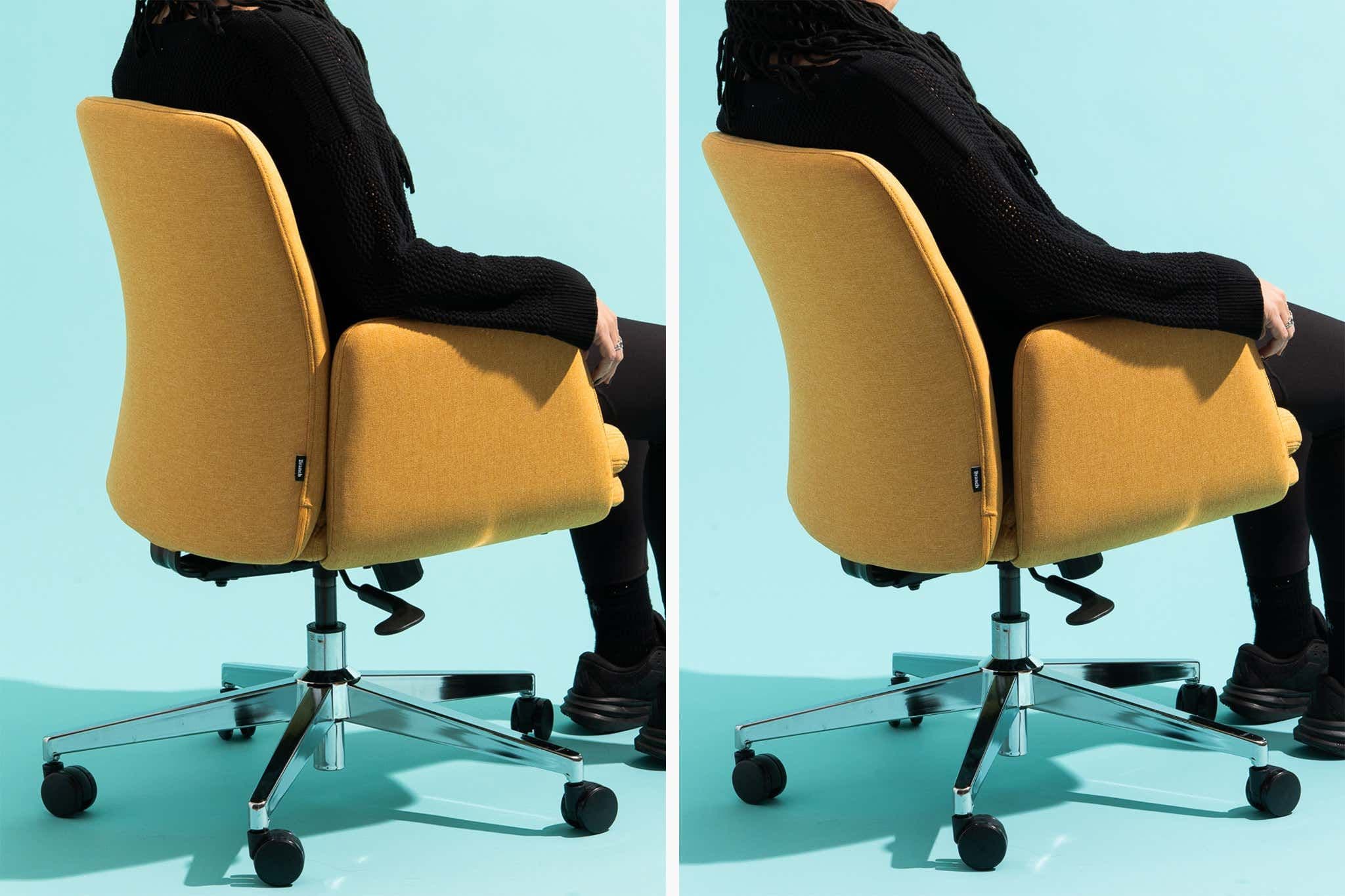
The Best Office Chairs for Long Hours, Tested by an Ergonomist
We sat in seven ergonomic chairs for 8+ hour workdays. Here is what survived — from a Steelcase Gesture down to a $480 sleeper pick.