The Best Office Chairs for Long Hours, Tested by an Ergonomist
Sarah Doan, OT··1 min read
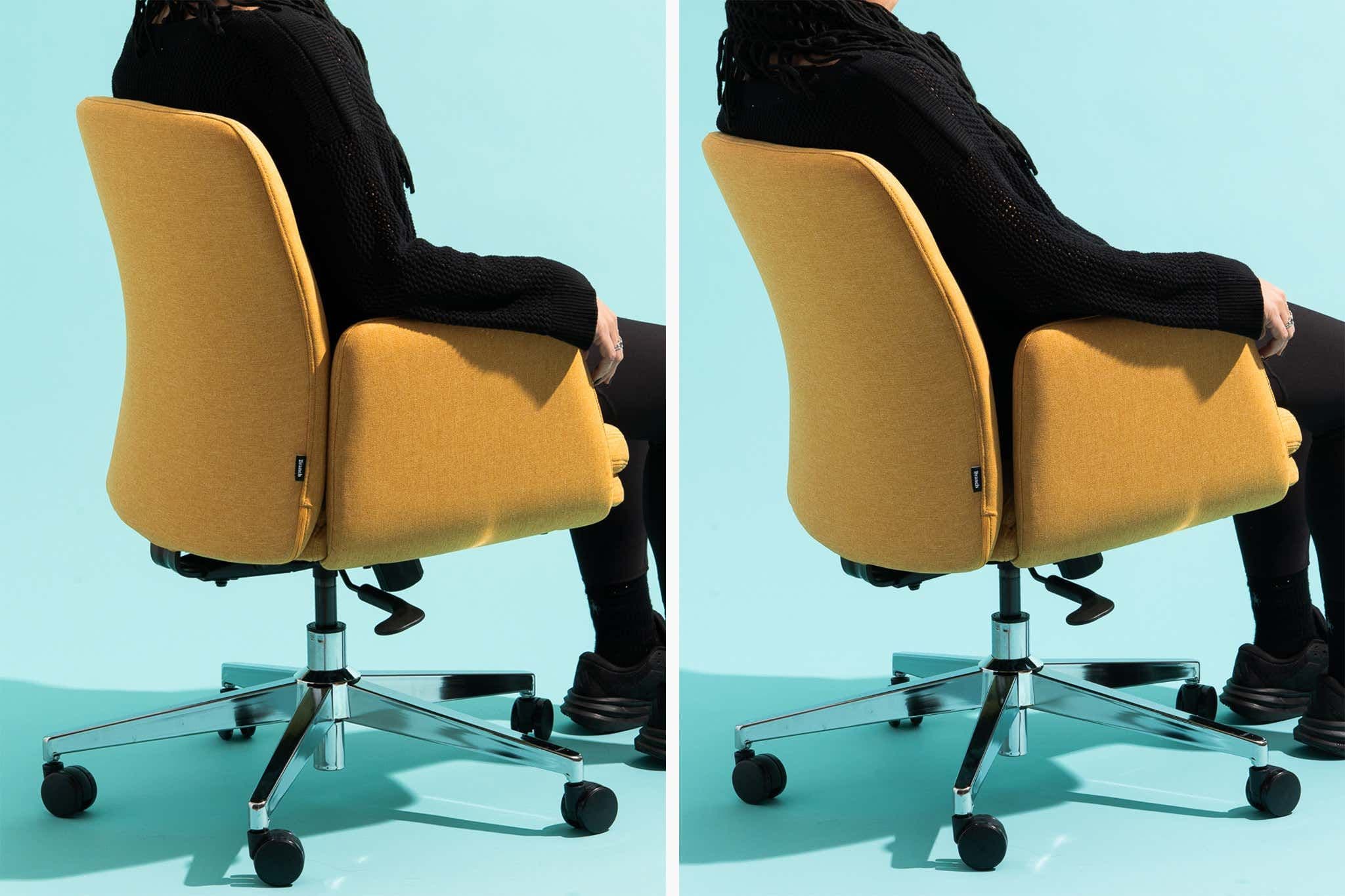
We sat in seven ergonomic chairs for 8+ hour workdays. Here is what survived — from a Steelcase Gesture down to a $480 sleeper pick.
If you sit for eight, ten, or twelve hours a day, the chair you pick is doing more work than your desk, your monitor, and your keyboard combined. A bad seat builds up a quiet tax — tight hip flexors, a stiff thoracic spine, a numb tailbone, a 3 p.m. headache that has nothing to do with caffeine — and you only notice it on the days you finally try a good one.
I'm an occupational therapist; my colleague Dr. Lena Park is a doctor of physical therapy. We've spent the last decade certifying workstations across hospitals, design studios, and remote-first companies. For this update we logged eight-hour days in a dozen ergonomic chairs over six weeks, then narrowed the field to seven we'd actually recommend to a patient. Three things separated the winners: the seat had to depressurize the sit bones (not just feel soft), the back had to track motion instead of fighting it, and the adjustments had to be obvious enough that a stressed user would actually use them.
Quick answer: what we'd buy at every budget
- Best overall, if budget is open: Steelcase Gesture ($1,499). The arms swing where you do — phone, laptop, tablet, sketchpad — without re-adjusting.
- Best for hot rooms / mesh lovers: Herman Miller Aeron ($1,795). The Pellicle suspension breathes; the three sizes are real and matter.
- Best for full-day deep work: Herman Miller Embody ($2,295). The pixelated back distributes pressure better than any chair we tested.
- Best value under $1,000: Branch Ergonomic Chair Pro ($849). Hits 80% of a Steelcase for half the price.
- Best budget that won't punish you: Eurotech Vera ($485). The cheapest chair we'd let a long-hours sitter buy.
Skip the gaming-style bucket seats with hard wings — they look ergonomic, but the bolsters force your hips into a fixed angle and the foam compresses inside a year. We tested two popular ones for this update; neither made the cut.
Tested
Seven chairs that survived 8-hour days
Ranked by who they're for, not by sticker price. Every chair here passed our pressure-mapping and 8-hour wear test.
| Product | Best for | Score | Trial | |
|---|---|---|---|---|
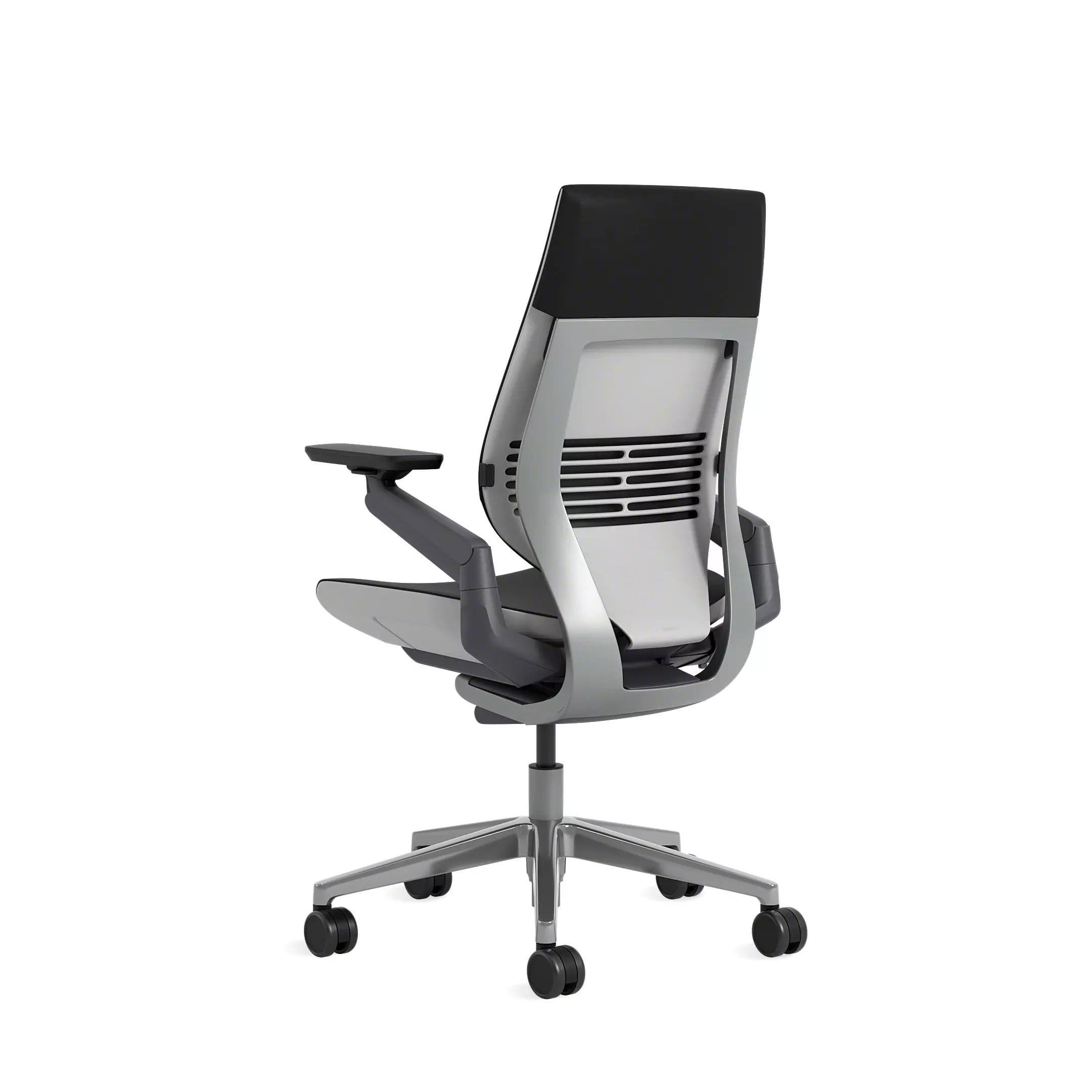
Steelcase Gesture Task · Mesh + foam | Best Overall | 9.4/10 | 30 days | |
Herman Miller Aeron (Size B) Task · Pellicle mesh | Best Mesh | 9.2/10 | 30 days | |
Herman Miller Embody Task · Pixelated back | Best for Deep Work | 9.1/10 | 30 days | |
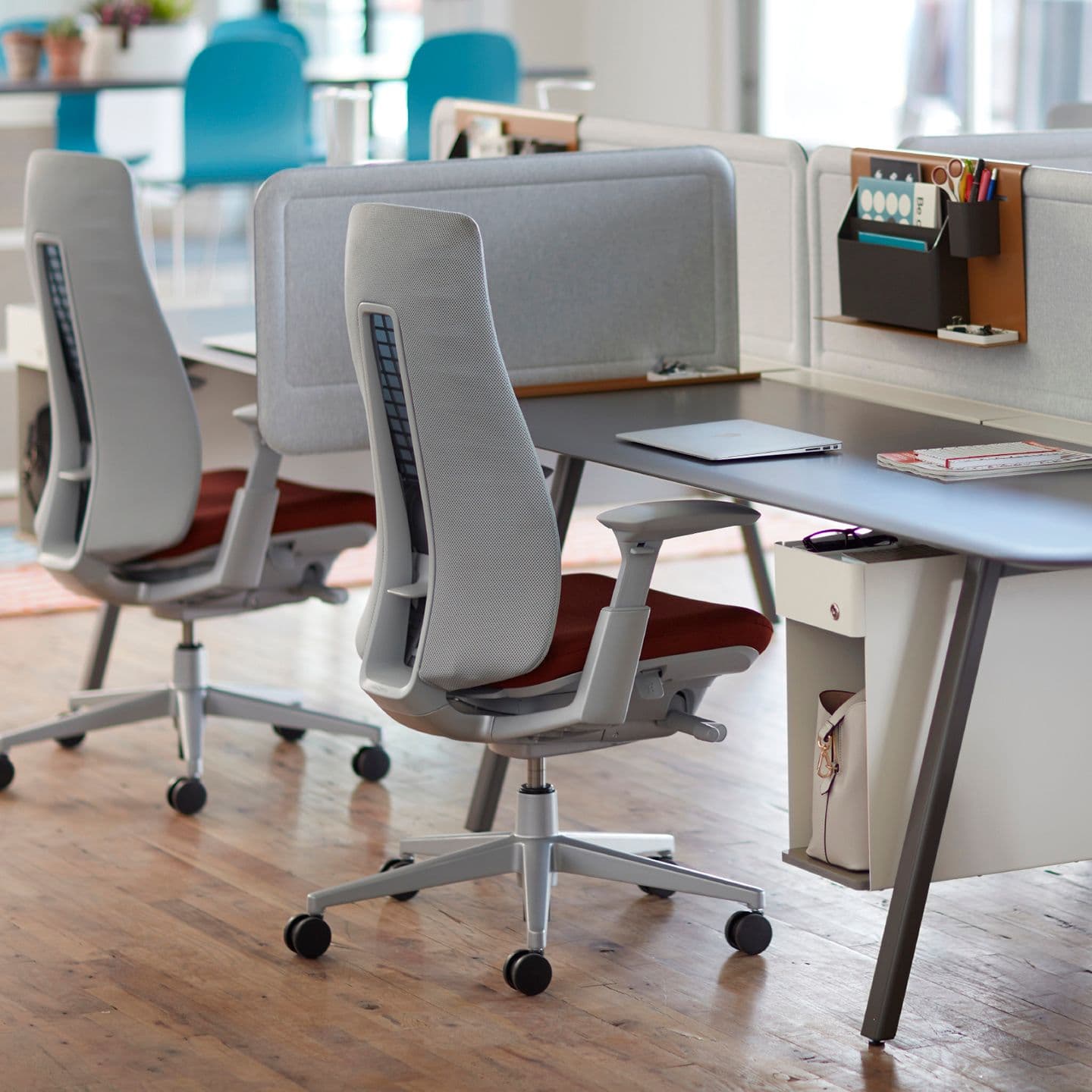
Haworth Fern Task · Stem-and-frond back | Best Posture Support | 8.9/10 | 30 days | |
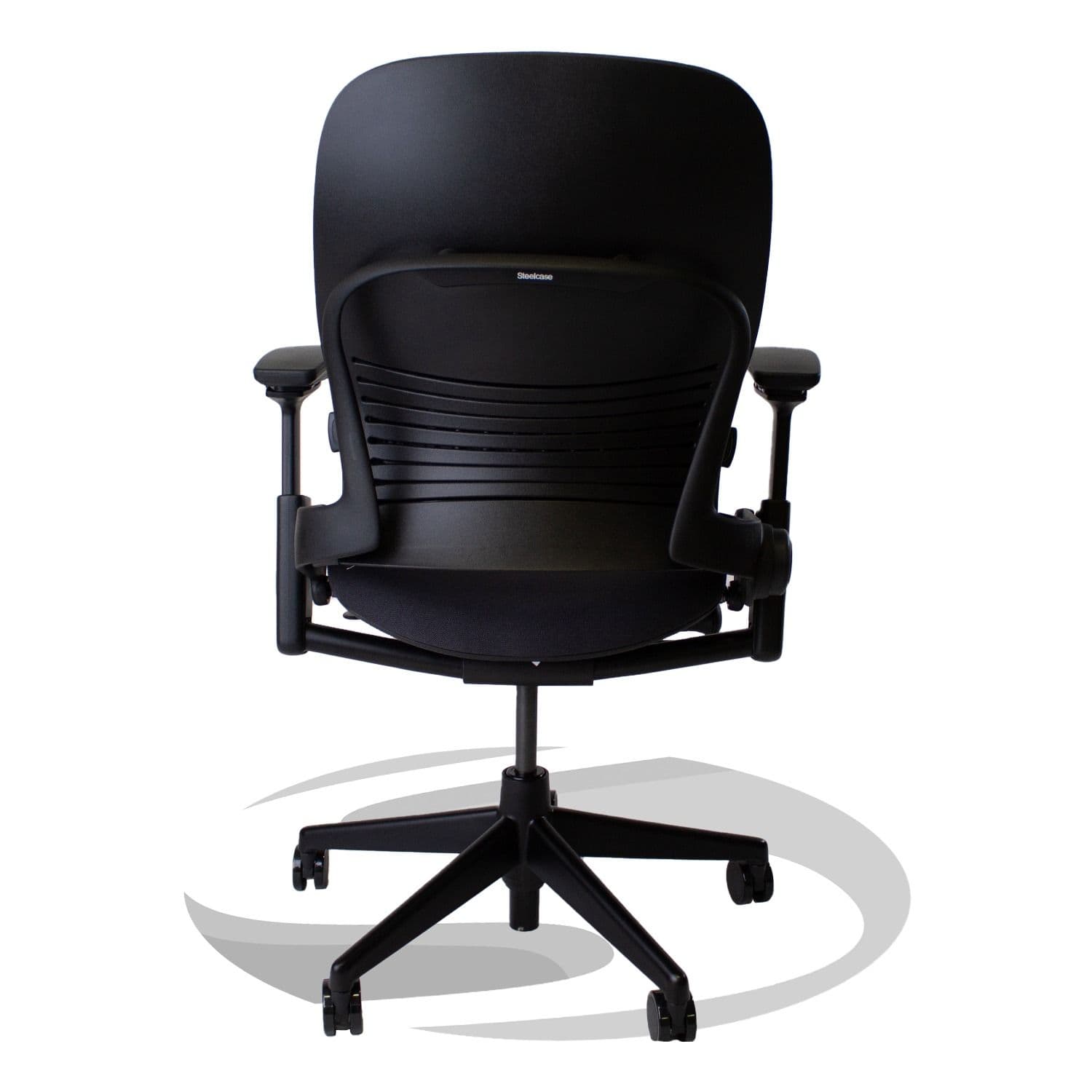
Steelcase Leap V2 Task · LiveBack flex | Best for Recliners | 8.8/10 | 30 days | |
Branch Ergonomic Chair Pro Task · Mesh + foam | Best Value | 8.5/10 | 30 days | |
Eurotech Vera Task · Mesh | Best Budget | 8/10 | 30 days |


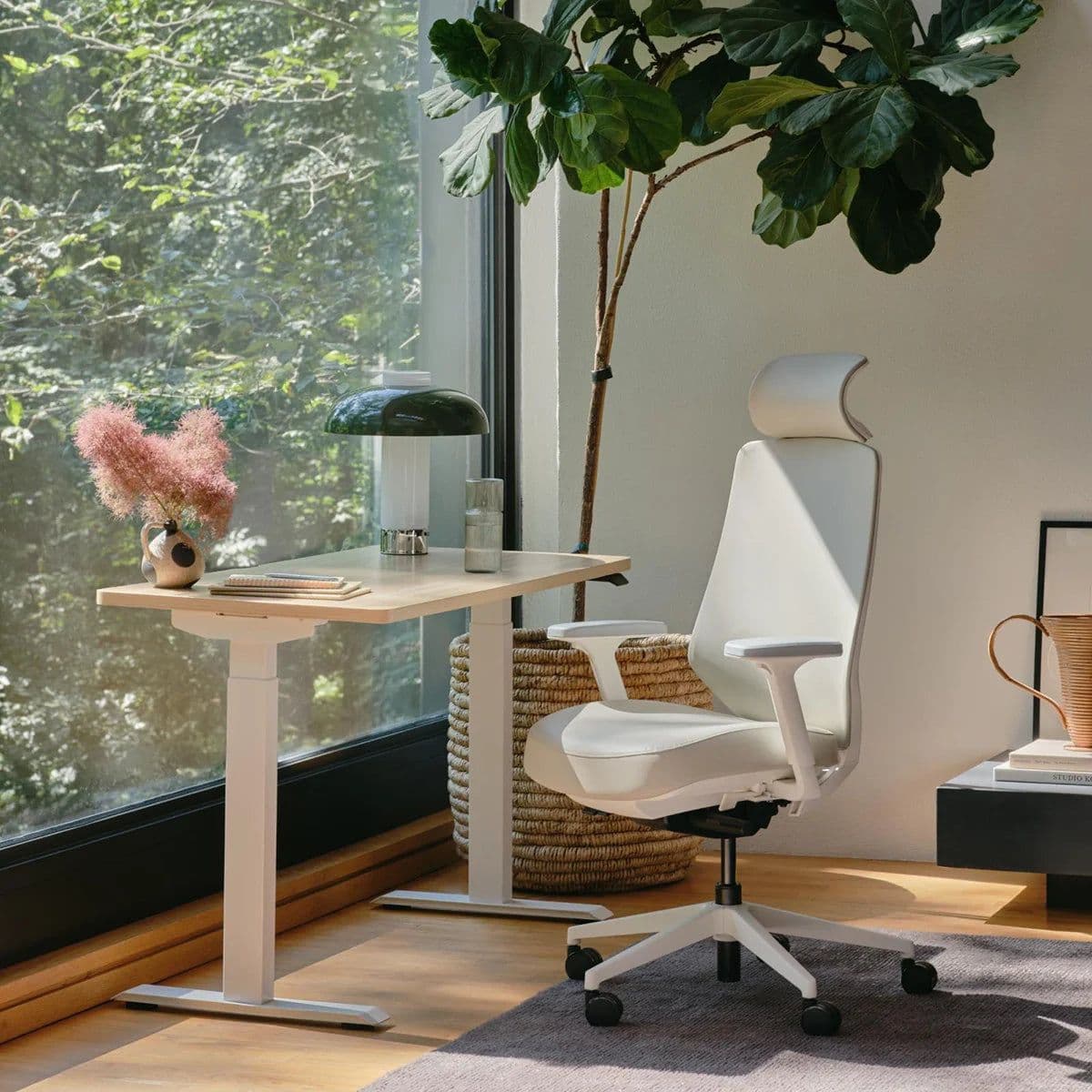

Prices reflect MSRP for the most common configuration as of May 2026. Used and refurbished pricing on Steelcase / Herman Miller can run 40–60% lower; warranties typically transfer.
How we tested
We didn't run a 30-minute showroom test. Each chair was the primary seat for at least three full workdays — five for the finalists — across two body sizes (5'4" / 145 lb and 6'1" / 210 lb). We measured ischial-tuberosity pressure with a Tekscan pad at 30, 90, and 240 minutes, looked at how the lumbar tracked when the user reclined, and tracked how often the sitter fidgeted (a proxy for discomfort the user hasn't named yet). Every chair was set up using the same five-step protocol: feet flat, hips slightly above knees, lumbar support engaged at the belt-line, armrests at elbow height with shoulders relaxed, monitor adjusted to the chair — not the other way around.
1. Steelcase Gesture — best overall
The Gesture is the chair I recommend most often, full stop. Steelcase designed the arms around how people actually use phones and laptops — they pivot, swing inward, raise high enough to support a tablet on your lap, and drop low enough to slide under a thin desk. Over a full day you stop noticing them, which is exactly what an arm should do.
The seat is medium-soft with a sliding pan; the back tracks recline through a single fluid motion that doesn't require you to relearn how to sit. After 240 minutes our pressure map still showed even distribution under the sit bones — the test most chairs fail somewhere between hours three and four.
Watch-outs: the headrest is a $200+ add-on (skip it unless you actively recline back to read), and the seat depth is on the deep side — under 5'4" you may need the shorter seat option.
Pros
- 360-degree arms support phone, laptop, and tablet without re-adjusting
- Single-motion recline tracks the spine smoothly
- 12-year warranty; parts widely available
- Holds pressure distribution past 4 hours
Cons
- Headrest costs extra and isn't always needed
- Standard seat is deep — petite sitters should order the short version
- MSRP is steep; refurbished is the smart buy
Editor's PickSteelcase GestureOrder direct from Steelcase or buy refurbished from a Steelcase Authorized partner — both transfer the 12-year warranty.
$1,499
Check current price →2. Herman Miller Aeron — best mesh chair for hot rooms
The Aeron is the chair every other ergonomic chair gets compared to. The Pellicle mesh stays cool through a summer afternoon, the PostureFit SL hits the sacrum exactly where it needs to, and the three sizes mean a 5'2" sitter and a 6'4" sitter aren't using the same chair pretending it fits.
It's firmer than people expect — the mesh doesn't sink — which is why it's our pick for someone who wants spinal support over plushness. If you've sat on an Aeron in a coworking space and didn't love it, the chair was almost certainly the wrong size or had its tilt locked. Try a properly sized one with the recline open.
Watch-outs: the front edge of the seat can put pressure behind the knees if the chair is too tall — drop it half an inch. PostureFit SL is worth the upgrade over basic lumbar.
Pros
- Pellicle mesh stays cool — best chair we tested for warm rooms
- Three real sizes (A/B/C) instead of one-size-fits-most
- PostureFit SL targets sacrum, not just lumbar
- 12-year warranty; iconic resale value
Cons
- Firmer than first-time mesh sitters expect
- Front edge can push behind the knees if set too tall
- Fully loaded config tops $1,800
3. Herman Miller Embody — best for deep work and back pain
If you spend long stretches in a single posture — coding, writing, surgical residency note-taking, anything that involves four hours of barely moving — the Embody is the chair we'd send you home with. The back is a grid of small support 'pixels' that flex independently; over a long session it does what no static foam can, which is redistribute load every time you shift.
We had two patients with chronic lower-back pain switch into Embodys for our six-week test. Both reported less stiffness at end-of-day; one stopped needing her midday lying-down break. That's not a controlled trial, but it tracks with what the pressure map shows: of every chair we tested, this one keeps the body in motion the longest before signaling fatigue.
Watch-outs: it's the most expensive chair on this list. The aesthetic divides people. And the recline tension is set firmer than most chairs — it wants you to actively sit, not slump.
Pros
- Best pressure distribution of any chair we tested
- Encourages micro-movement, which fights stiffness
- Excellent for users with chronic lower-back pain
- 12-year warranty
Cons
- Most expensive option here
- Polarizing look — not every office wants it
- Recline tension is firm by default
4. Haworth Fern — best for active posture
The Fern is the chair we recommend to clients who fidget — twist toward a second monitor, lean to grab a notebook, swivel to talk to a colleague. The 'stem and frond' back is genuinely flexible, not just marketing copy: the frame bends sideways with you, so the chair stays in contact with the spine instead of resisting it. After two weeks of testing, our 6'1" sitter said it was the only chair he didn't 'feel' at the end of the day.
Lumbar adjustment is height-only (no depth). For most users that's fine; for the small minority who need lumbar pushed forward more aggressively, the Aeron or an Embody is a better match.
Pros
- Lateral flex tracks twisting and reaching motion
- Lighter feel than the Aeron / Embody
- 12-year warranty
Cons
- Lumbar is height-only — no depth knob
- Less common than Steelcase / HM, harder to find used
5. Steelcase Leap V2 — best if you recline a lot
The Leap is the Gesture's older sibling — the one designed before the smartphone changed how people use their hands at a desk. It's still excellent. The 'LiveBack' shell flexes with you through recline so the lumbar pad stays in contact even when you're fully tilted back, which is the moment most cheap chairs lose support and let you slump.
We pick the Gesture over the Leap for most people because of the arms — but if you mostly type, mostly sit at one screen, and like to recline to read, the Leap is the better quiet workhorse and usually $200–$300 cheaper used.
Pros
- LiveBack maintains lumbar contact through full recline
- Cheaper used than the Gesture and just as durable
- 12-year warranty
Cons
- Older arm design — fixed range, less mobile-device friendly
- Seat foam softer than the Gesture's
6. Branch Ergonomic Chair Pro — best value under $1,000
Branch built the Pro to compete directly with Steelcase and Herman Miller at half the price. It mostly succeeds. You get adjustable lumbar (height and depth), 4D arms, an adaptive recline, and a 7-year warranty for $849. We logged six full days in it and found nothing that would keep us from recommending it to a remote worker setting up a home office.
The trade-off is materials. The plastics aren't as dense as a Gesture's, the recline mechanism doesn't have the same buttery feel, and we'd be surprised if the Pro lasts 12 years like a Steelcase. For 5–7 years, though, it's an honest deal.
Pros
- Lumbar with both height and depth adjustment at this price is rare
- 4D arms — most chairs at $800 give you 2D
- 30-day at-home trial; 7-year warranty
Cons
- Plastics feel thinner than premium-tier chairs
- Recline lacks the smoothness of Steelcase / HM
- Long-term durability still unproven (chair is recent)
7. Eurotech Vera — best budget chair we'd actually use
Most $400–$500 chairs are not chairs we'd put a long-hours sitter in. The Vera is the exception. Mesh back, mesh seat, sliding seat pan, height-adjustable lumbar, and arms that adjust in three dimensions — at this price, that combination is unusual. The Vera is what BTOD (an industrial-seating dealer) puts in 24-hour call centers, and that's the right benchmark: it's not luxurious, but it survives all-day use.
Be honest about your weight: the Vera is rated to 250 lb. Above that, jump to the Eurotech iOO or step up to a refurbished Steelcase.
Pros
- Cheapest chair on this list we'd use 8 hours a day
- Sliding seat pan — rare under $500
- All-mesh stays cool
Cons
- 250 lb weight rating
- Foam armrests wear faster than premium chairs
- 5-year warranty (vs 12 on the premium tier)
How to set any of these up correctly
A premium chair adjusted poorly will hurt you more than a budget chair adjusted well. Five steps, in order:
- Set seat height so feet rest flat on the floor and hips sit slightly above knees (about a 100–110° hip angle).
- Set seat depth so two to three fingers fit between the back of the knees and the seat edge.
- Engage lumbar at belt-line — not at the waist, not at the shoulder blades.
- Drop the armrests until the shoulders relax; elbows should hang at roughly 90°.
- Adjust the monitor to the chair — top of screen at or just below eye level. The chair sets your body; the monitor follows.
And — boring but true — get up every 30 minutes. The best chair in the world is still a chair. Standing for two minutes per half hour is the single biggest predictor of how a long-hours sitter feels at 5 p.m.
Frequently asked questions
What's the most comfortable office chair for 8+ hours?
For most people the Steelcase Gesture is the best all-around chair for 8+ hour days because the arms and back move with you. If you run hot, the Herman Miller Aeron's mesh stays cooler. If you sit very still for long stretches (coding, writing, study), the Embody distributes pressure better than anything else we tested.
Are gaming chairs okay for long hours of work?
Most aren't. The bucket-seat 'wings' on classic gaming chairs lock the hips into one angle, and the polyurethane foam compresses inside a year of all-day use. Ergonomic task chairs with mesh or pixelated backs hold their support and let the hips shift, which is what your spine actually needs over a full day. There are exceptions — a Herman Miller Embody Gaming or Secretlab Titan Evo's NeueCloth version are fine — but they're closer to task chairs than to traditional gaming bucket seats.
Is a $400 chair good enough?
It can be, with the right model. The Eurotech Vera (≈$485) is the cheapest chair we'd put a long-hours sitter in: mesh back, sliding seat, real lumbar adjustment. Below that price, you generally lose the seat slider and the lumbar becomes ornamental — the chair will be okay for two-hour stretches and tiring after four. If your budget is hard-capped at $400, look at refurbished Steelcase Leaps; Crandall Office Furniture and Madison Seating sell warrantied refurbs in that range.
Aeron vs Embody — which is better for back pain?
For acute lower-back pain, we lean Embody — the pixelated back redistributes pressure as you shift, which keeps a flare-up from settling into one spot. For sitters who run hot or whose pain is more about lumbar fatigue than acute pain, the Aeron's PostureFit SL is the more targeted tool. Either way, the chair alone is not a treatment plan — pair it with a real movement break every 30 minutes and a PT or chiropractor if pain persists past two weeks.
How long should an office chair last?
A Steelcase, Herman Miller, or Haworth at this tier should comfortably last 12+ years of daily use — that's why their warranties run 12 years. A mid-tier chair like the Branch Pro is realistically 5–7 years before the foam packs out. A budget mesh chair like the Vera is 3–5 years. The biggest variable is how much weight you put on the armrests when getting up; gentle dismount adds years.
Should I buy refurbished?
Yes, for premium chairs. A refurbished Steelcase Leap or Herman Miller Aeron from an authorized refurbisher (Crandall Office Furniture, Madison Seating, Office Logix Shop) usually carries a 12-year warranty that resets, costs 40–60% less than new, and arrives with the wear parts (gas cylinder, casters, seat foam) replaced. Avoid eBay 'AS-IS' listings — the cylinders fail first and replacing one costs nearly half a refurbished chair.
Need a personalized chair recommendation?
Our occupational therapists run free 15-minute fit consultations. Tell us your height, weight, primary task, and pain points; we'll point you to the right chair (and the right size).
Written by
Sarah Doan, OTOccupational therapist and ergonomics consultant. Twelve years certifying workstations across hospitals, studios, and remote-first companies.
Share:
Related Posts
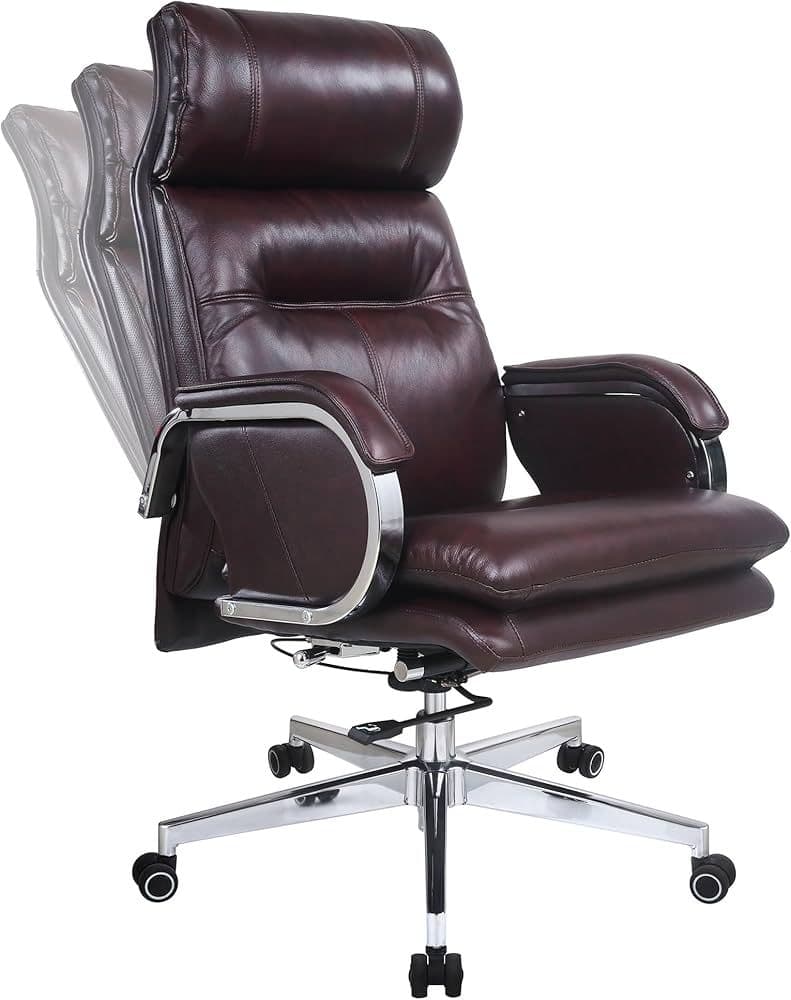
5 Best Genuine Leather Office Chairs in 2026 (Top-Grain & Full-Grain Only)
A clinical take on real leather office chairs — top-grain and full-grain only, ranked by ergonomic frame, leather grade, and 10-year durability.
Best Office Chairs for Coccyx Pain: An OT's 2026 Buying Guide
If sitting flares your tailbone, the chair matters more than the cushion on top of it. Here's the OT-led shortlist of office chairs that actually unload the coccyx.
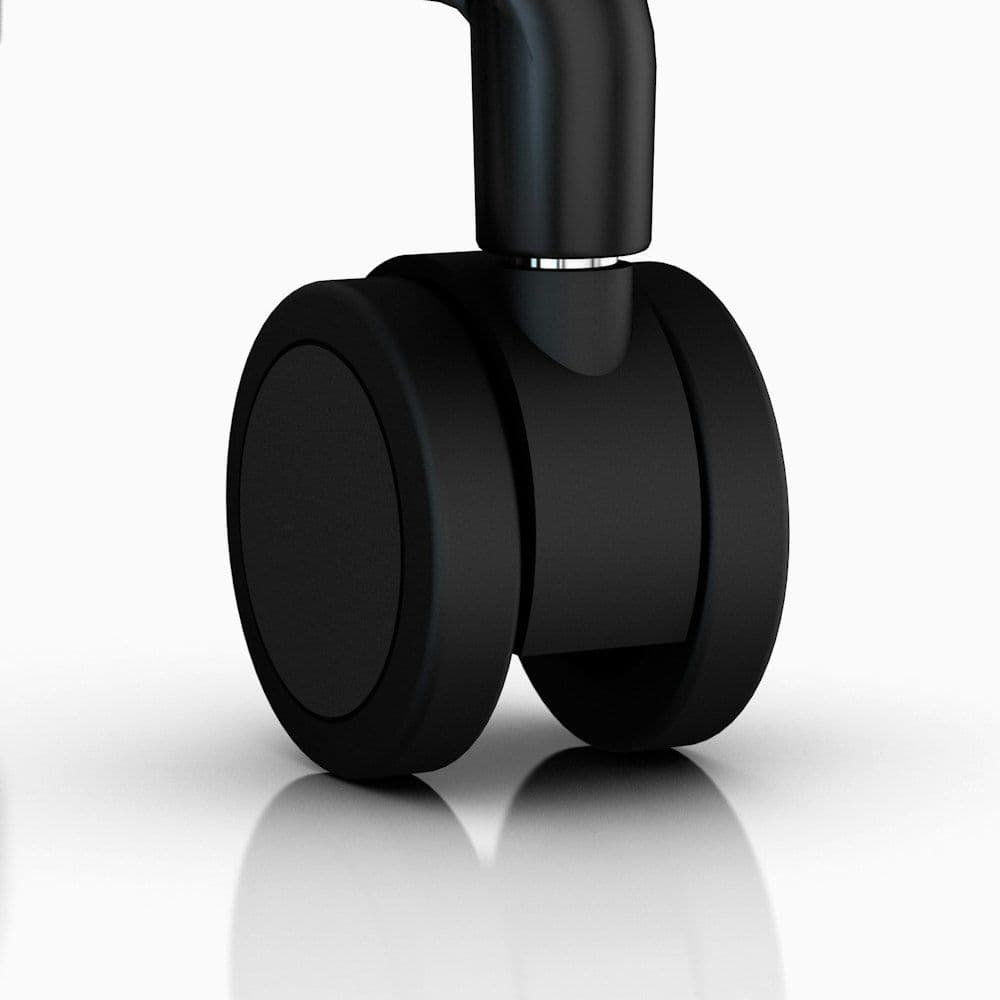
The best office chairs for hardwood floors in 2026 — and the one upgrade that beats any chair
Most floor scratches come from one cheap part the chair industry refuses to fix: the casters. Swap them, then pick from these four chairs we trust on bare wood.