Best Office Chairs for Coccyx Pain: An OT's 2026 Buying Guide
Sarah Doan, OT··1 min read
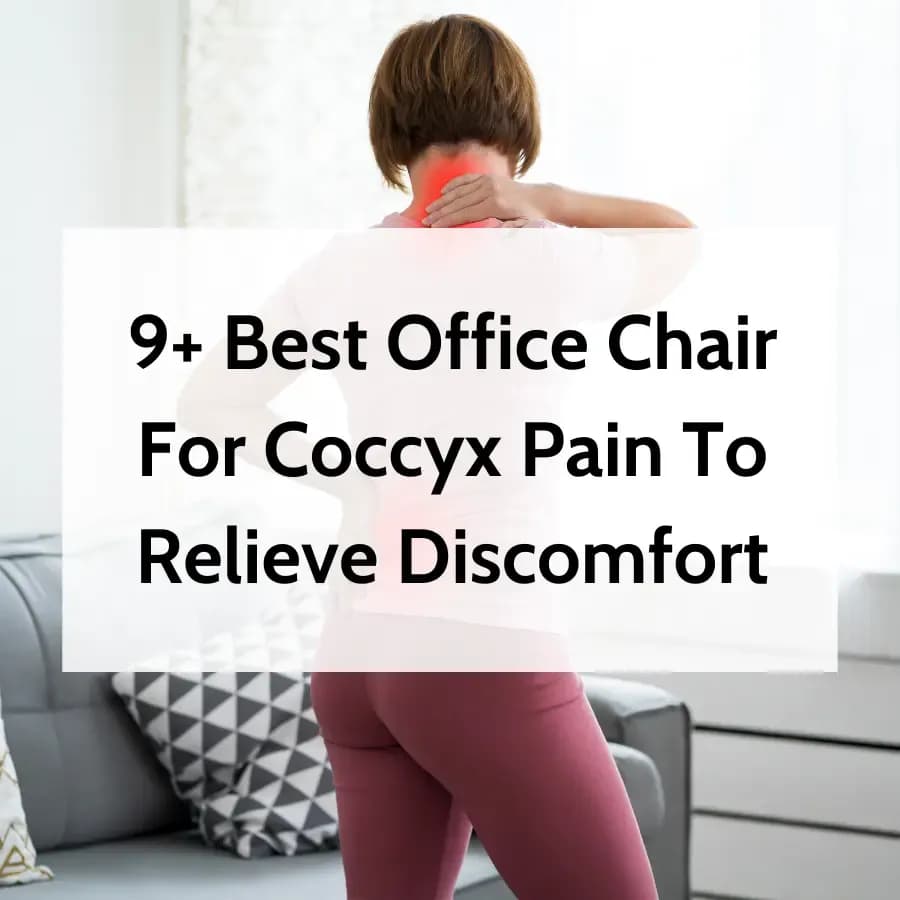
If sitting flares your tailbone, the chair matters more than the cushion on top of it. Here's the OT-led shortlist of office chairs that actually unload the coccyx.
Coccyx pain (coccydynia) does not get better because a chair feels soft. It gets better when the seat geometry stops loading the tailbone, when the lumbar support keeps you out of a sacral slump, and when you can change posture during the day. As an OT who fits chairs for clients with tailbone injuries and post-partum coccydynia, I see the same mistake on repeat: people buy a thicker cushion instead of a chair that fits.
This guide is the shortlist I actually hand out. Every pick below has either a true coccyx cutout, a forward-tilting seat, or a waterfall front edge with enough adjustability to keep weight on your sit bones — not your tailbone.
Quick answer
If you want one recommendation: the Herman Miller Aeron (Size B with PostureFit SL) is the safest default. The pellicle mesh distributes pressure across the sit bones rather than under the coccyx, the forward-tilt setting unloads the tailbone for keyboard work, and PostureFit pushes the sacrum forward so you stop slumping. If the Aeron is out of budget, the Steelcase Leap V2 (refurbished is fine) is the closest fit because of its LiveBack and adjustable seat depth.
OT-tested shortlist
Best office chairs for coccyx pain at a glance
Eight chairs across three price tiers, scored on coccyx unloading, adjustability, and how well they hold up over an 8-hour day.
| Product | Best for | Score | Trial | |
|---|---|---|---|---|
Herman Miller Aeron (Size B, PostureFit SL) Mesh task · High-end | Best Overall | 9.4/10 | 12-yr warranty | |
Steelcase Leap V2 Foam task · Mid-high | Best for Slumpers | 9.1/10 | 12-yr warranty | |
Boulies OP300 Hybrid · Mid | Best Cushioned | 8.6/10 | 5-yr warranty | |
Branch Ergonomic Chair Pro Mesh task · Mid | Best Mid-Range | 8.4/10 | 7-yr warranty | |
HÅG Capisco Saddle hybrid · Mid-high | Best for Movement | 8.3/10 | 10-yr warranty | |
Sihoo Doro C300 Mesh task · Budget | Best Budget | 7.9/10 | 5-yr warranty | |
RH Logic 400 Elite Foam task · Premium | Best Clinical | 9/10 | 10-yr warranty | |
Lifeform Ultimate Executive (Coccyx Cutout option) Custom foam · Premium | Best Cutout | 8.7/10 | Lifetime frame |


Ratings reflect first-hand fittings and supplemented by manufacturer spec data. Affiliate links may earn a commission at no cost to you.
Why most office chairs make coccyx pain worse
Three failure patterns show up in 90% of the chairs I retire from clients with coccyx pain:
- Flat, hammocked seat pan. Cheap chairs sag in the middle, which tips the pelvis backward and parks weight directly on the coccyx instead of the sit bones (ischial tuberosities).
- No forward tilt. When you lean forward to type, a fixed seat angle still tilts your pelvis posteriorly. A 2–5° forward-tilt option lets the pelvis rotate forward and lifts the tailbone off the cushion.
- Too-deep seat pan. If the front edge presses into the back of your knees, you slide forward and end up perched on the tailbone. Adjustable seat depth (or a smaller seat size) fixes this faster than any cushion.
A coccyx cushion on a bad chair is a band-aid. Fix the chair first, then add a wedge or U-cut cushion only if you still need a few millimeters of clearance.
What to look for: the OT checklist
When I'm fitting a client with coccydynia, I score chairs against six criteria. Anything missing two or more is off the list.
- Seat geometry: true waterfall front edge plus either a contoured rear or an actual coccyx cutout. Pellicle mesh (Aeron) counts because it disperses load.
- Forward seat tilt: at least 2° of forward angle, lockable. This is the single highest-ROI feature for coccyx pain.
- Adjustable seat depth: leave 2–3 finger widths between the front edge and the back of your knee.
- Lumbar that follows you: height-adjustable, ideally with a forward sacral support (Aeron's PostureFit, Steelcase's LiveBack).
- Recline with synchronous tilt: so you can change posture every 20–30 minutes without sliding into a slump.
- Right size for your body: Aeron Size A vs. B vs. C is real — a too-big seat is a pain generator no matter how good the chair is.
1. Herman Miller Aeron (Size B, PostureFit SL) — Best Overall
If I could only recommend one chair to a coccyx-pain client, this is it. The pellicle mesh seat distributes pressure laterally across the sit bones rather than concentrating it under the tailbone, and the front edge gives properly so it does not press the back of the knees. PostureFit SL is the make-or-break add-on: it pushes the sacrum forward so you cannot slump into a posterior pelvic tilt, which is the position that crushes the coccyx.
Get the right size. Size B fits most adults 5'4" to 6'2", 130–230 lb. Sizes A and C exist for a reason — use Herman Miller's size chart, do not guess.
Why it works for coccyx pain
- Pellicle mesh disperses pressure across sit bones, not under coccyx
- PostureFit SL prevents the slump that drives coccydynia
- Forward tilt of 5° unloads tailbone for keyboard work
- 12-year warranty; refurbished units are everywhere and cheap
- Three sizes mean you can actually fit it to your body
Trade-offs
- Premium price new ($1,500+); skip MSRP and buy refurbished
- Mesh edge can feel hard to people who prefer plush foam
- PostureFit SL is a paid upgrade and not optional for tailbone pain
2. Steelcase Leap V2 — Best for chronic slumpers
If your coccyx pain comes from sitting bolt-upright, then collapsing into a slump after the second meeting, the Leap is the chair I reach for. The LiveBack flexes with your spine through recline, so the lumbar stays in contact even as you move. The seat slides forward and back independently of the back, so you can dial in the depth precisely — huge for shorter and taller users alike.
The seat foam is firmer than people expect. That is good news for coccyx pain (no hammock effect) but worth noting if you are coming from a plush gaming chair.
3. Boulies OP300 — Best cushioned task chair
The OP300 is the cushioned option I trust. The seat is wide, mildly contoured, and uses a denser foam than Boulies' gaming-style chairs. The lumbar pillow is removable, which matters — stock pillows often sit too low. Pair it with the pillow placed at L3–L4 and you get a setup that handles 8-hour days without flaring the tailbone.
4. Branch Ergonomic Chair Pro — Best mid-range mesh
Branch's Ergonomic Pro is the chair I recommend for the sub-$700 mesh tier. It has a real adjustable lumbar (height and depth, not just a pad), 4D arms, and a seat slider — features that disappear at this price point in lesser chairs. The seat is firm enough to not hammock and shallow enough that most users do not need to add seat-depth adjusters.
5. HÅG Capisco — Best for active sitting
If your tailbone pain is worse when stationary, the Capisco's saddle-style seat is a different solution: it lets you sit forward, sideways, or perched, all of which unload the coccyx. Not for everyone (and not cheap), but I have several clients who switched to a Capisco after a coccyx fracture and never went back.
6. Sihoo Doro C300 — Best budget pick
Under $400, this is the only mesh chair I am willing to recommend for coccyx pain. The lumbar is dynamic, the headrest adjusts, and the seat has a genuine waterfall edge — not the half-hearted molded foam most budget chairs ship with. Skip the optional footrest.
7. RH Logic 400 Elite — Best clinical-grade option
Norwegian-built, ANSI/BIFMA tested, and frequently spec'd by occupational health teams. The Logic 400 has a deep, sculpted seat with a slight central relief that genuinely takes load off the coccyx. It is expensive and looks plain, but in chronic-pain cases where the medical lens matters, it is the chair I prescribe.
8. Lifeform Ultimate Executive (with coccyx cutout) — Best literal cutout
Lifeform's coccyx cutout option is the only off-the-shelf executive chair I know of where the cutout is real, foam-engineered, and removable. If you are post-fracture or post-surgery and need actual clearance under the coccyx — not just softer foam — this is the chair.
How to set up any of these chairs for coccyx pain
Even the right chair fails if it is dialed in wrong. Run this checklist on day one:
- Seat height: feet flat on the floor, knees at 90–95°. If the chair only goes as low as 17". Add a footrest.
- Seat depth: two to three fingers of clearance between the front edge and the back of your calf.
- Lumbar height: the support should sit just above the belt line (L3–L4), not in the small of the back.
- Forward tilt: engage 2–3° of forward tilt for keyboard tasks; release for recline breaks.
- Recline: set tension so the chair tips back with light pressure. Plan a 20-second recline every 20–30 minutes to redistribute pressure.
- Armrests: support your forearms without lifting your shoulders. If you cannot get them low enough, lower them or remove them — elevated shoulders cascade into low-back tension.
Need help fitting a chair to your coccyx pain?
Book a one-on-one ergonomics consult and we'll match a chair to your body, your desk, and your pain pattern — no affiliate angle.
Coccyx pain & office chairs: FAQ
Is a coccyx cushion enough, or do I need a new chair?
If your chair has a flat or sagging seat, no fixed lumbar, and no forward tilt, a cushion is buying you a few weeks at best. A cushion on a properly engineered chair (waterfall edge, real lumbar, forward tilt) is reasonable and sometimes ideal. A cushion on a bad chair just changes which structures get loaded.
Should I get a chair with a coccyx cutout?
If you are post-fracture, post-surgery, or have a confirmed bone bruise on the coccyx, yes — a true cutout (Lifeform, RH Logic) gives genuine clearance. For everyday coccydynia from prolonged sitting, a waterfall edge plus forward tilt usually outperforms a cutout.
Is the Aeron actually good for tailbone pain? It looks hard.
Yes, with PostureFit SL. The pellicle mesh distributes pressure across the ischial tuberosities (sit bones) instead of concentrating it under the coccyx, which is the opposite of what flat foam seats do. The trade-off is that it does not feel plush — if you equate softness with comfort you will be disappointed for the first week.
How long should I sit at a time?
Aim for a posture change every 20–30 minutes — recline, stand, walk, or shift forward. The chair lets you tolerate sitting; movement is what actually heals coccydynia.
What if I cannot afford any of these?
Buy a refurbished Aeron or Steelcase Leap before you buy a new $300 chair. Resellers like Madison Seating and Crandall sell remanufactured Aerons in the $700–900 range. Pair with a wedge cushion until you save up for PostureFit SL.
Written by
Sarah Doan, OTOccupational therapist and ergonomics consultant. Twelve years certifying workstations across hospitals, studios, and remote-first companies.
Share:
Related Posts
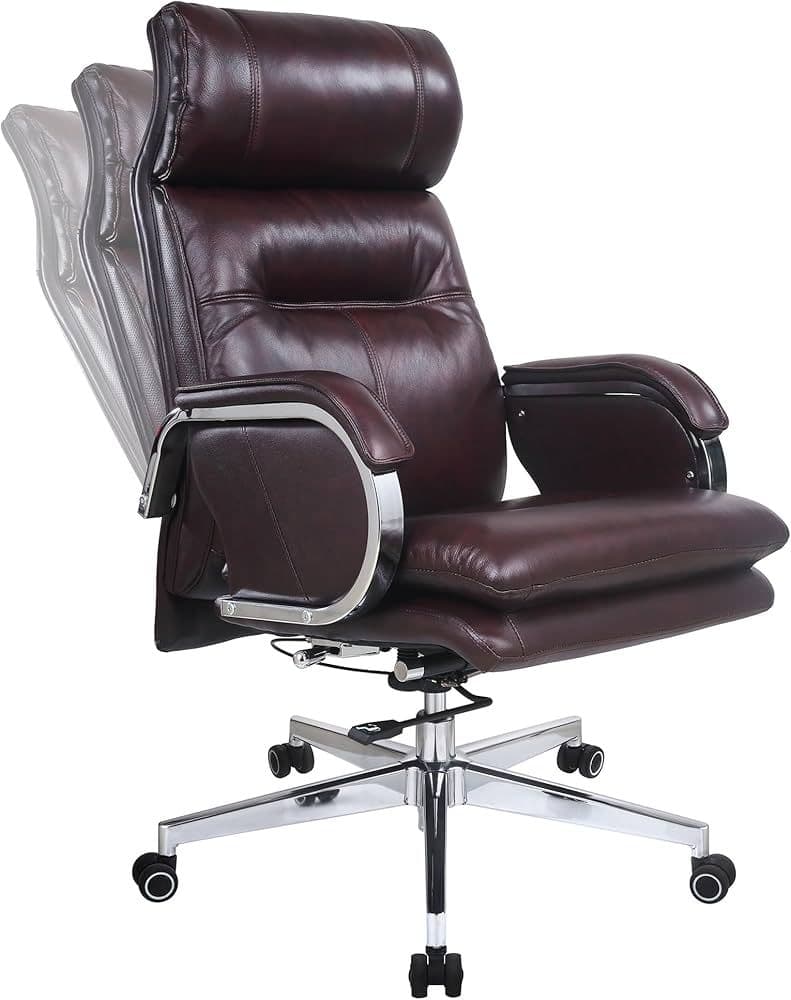
5 Best Genuine Leather Office Chairs in 2026 (Top-Grain & Full-Grain Only)
A clinical take on real leather office chairs — top-grain and full-grain only, ranked by ergonomic frame, leather grade, and 10-year durability.
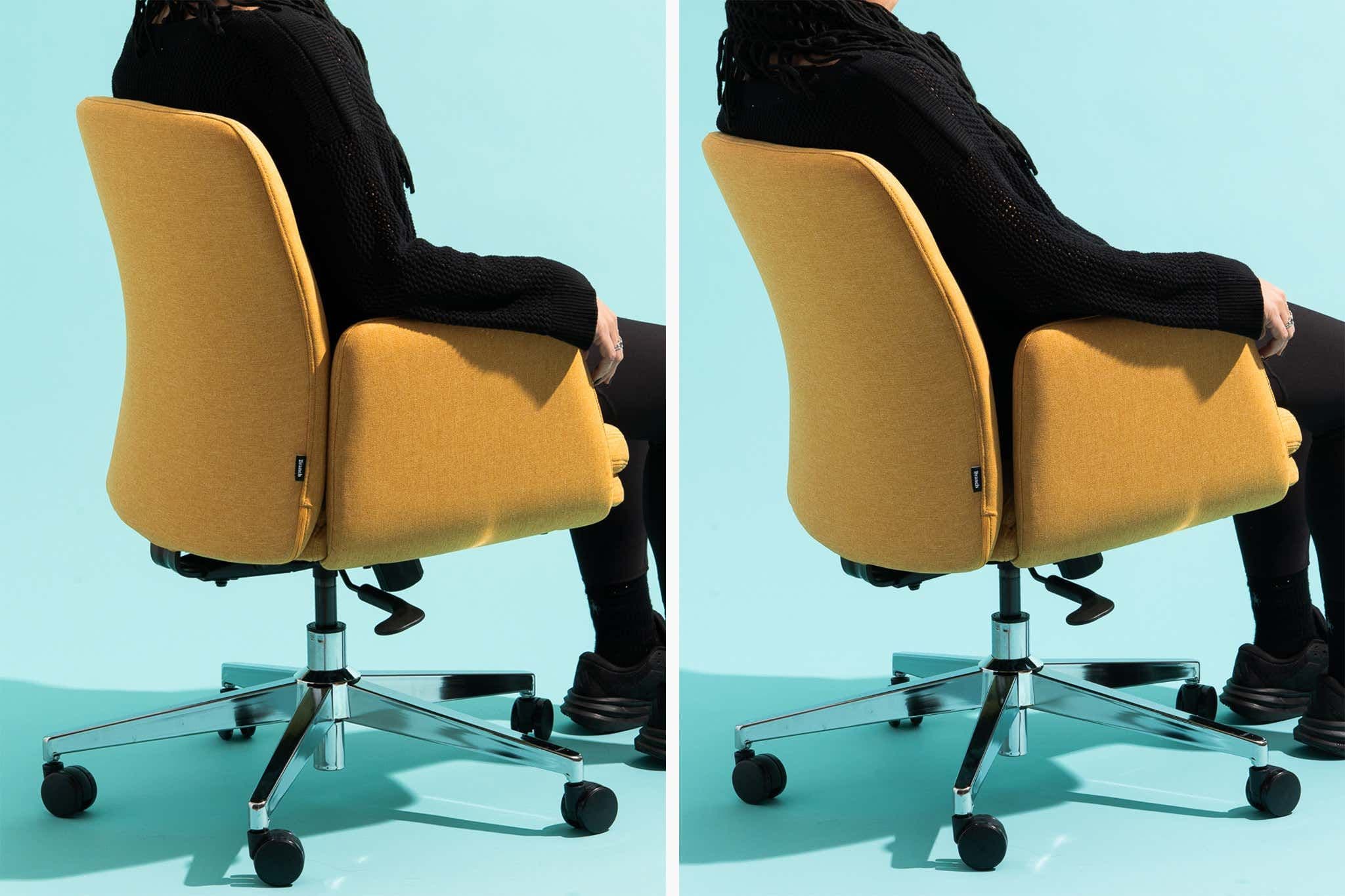
The Best Office Chairs for Long Hours, Tested by an Ergonomist
We sat in seven ergonomic chairs for 8+ hour workdays. Here is what survived — from a Steelcase Gesture down to a $480 sleeper pick.
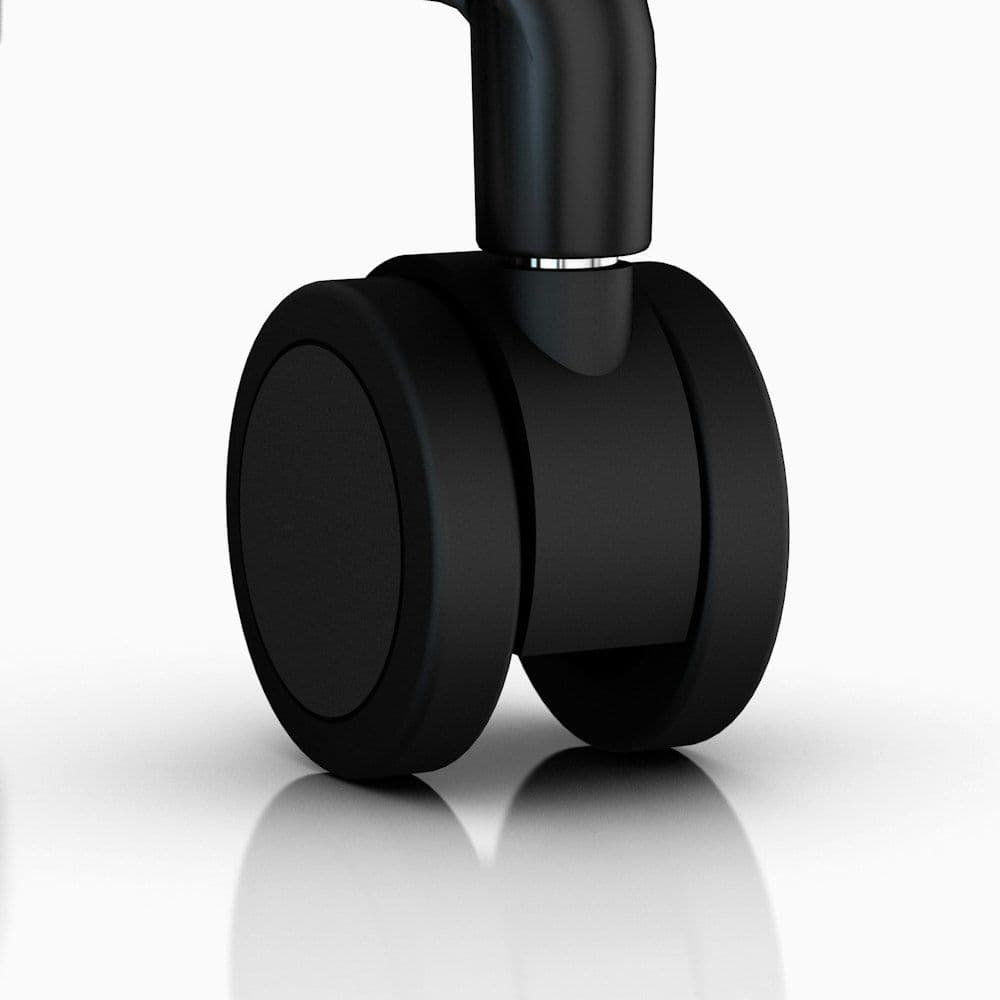
The best office chairs for hardwood floors in 2026 — and the one upgrade that beats any chair
Most floor scratches come from one cheap part the chair industry refuses to fix: the casters. Swap them, then pick from these four chairs we trust on bare wood.