How to actually buy a chair you'll still love in 2030
Sarah Doan, OT··22 min read
An eight-step framework for picking a chair that survives changes in your body, your job, and your tastes.
Start with your body, not the brand.
Brand obsession is the most expensive mistake in chair buying. Start with four measurements and a candid description of how you actually sit. Then — only then — narrow to brands.
The four measurements that decide which chair you can buy.
Seated hip width, popliteal length (knee to heel, seated), torso length, and shoulder height.
The features that matter, ranked.
1. Seat pan depth (or slider). 2. Lumbar adjustability. 3. Armrest range — height first, then width, then depth. 4. Tilt mechanism. 5. Materials.
Where to spend, where to save.
Spend on the mechanism (lumbar, tilt, seat depth). Save on aesthetics (mesh color, frame finish, casters).
Mesh or fabric? It depends on your climate.
Mesh ventilates and keeps you cool but transmits seat-pan firmness. Fabric is warmer and forgiving.
How to test a chair in a showroom.
Sit for at least 20 minutes. Type. Stand up. Sit back down. Lean back.
Return policies, decoded.
Read the restocking fee, the return shipping responsibility, and the trial window.
Your final checklist.
Do the four measurements. Pick three candidate chairs. Confirm seat pan, lumbar, and armrest ranges fit. Read the warranty. Check the trial window. Then buy.
Take the workspace assessment.
A 90-second tool that turns four measurements into a shortlist of chairs that can fit you.
Written by
Sarah Doan, OTOccupational therapist and ergonomics consultant. Twelve years certifying workstations across hospitals, studios, and remote-first companies.
Share:
Related Posts
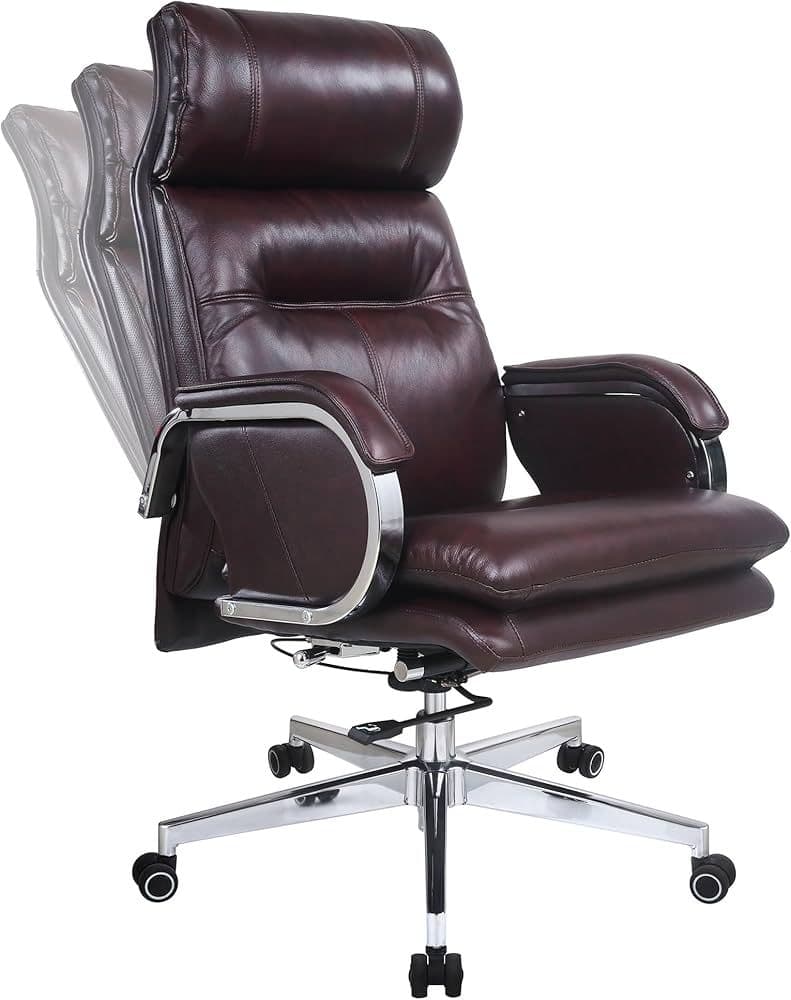
5 Best Genuine Leather Office Chairs in 2026 (Top-Grain & Full-Grain Only)
A clinical take on real leather office chairs — top-grain and full-grain only, ranked by ergonomic frame, leather grade, and 10-year durability.
Best Office Chairs for Coccyx Pain: An OT's 2026 Buying Guide
If sitting flares your tailbone, the chair matters more than the cushion on top of it. Here's the OT-led shortlist of office chairs that actually unload the coccyx.
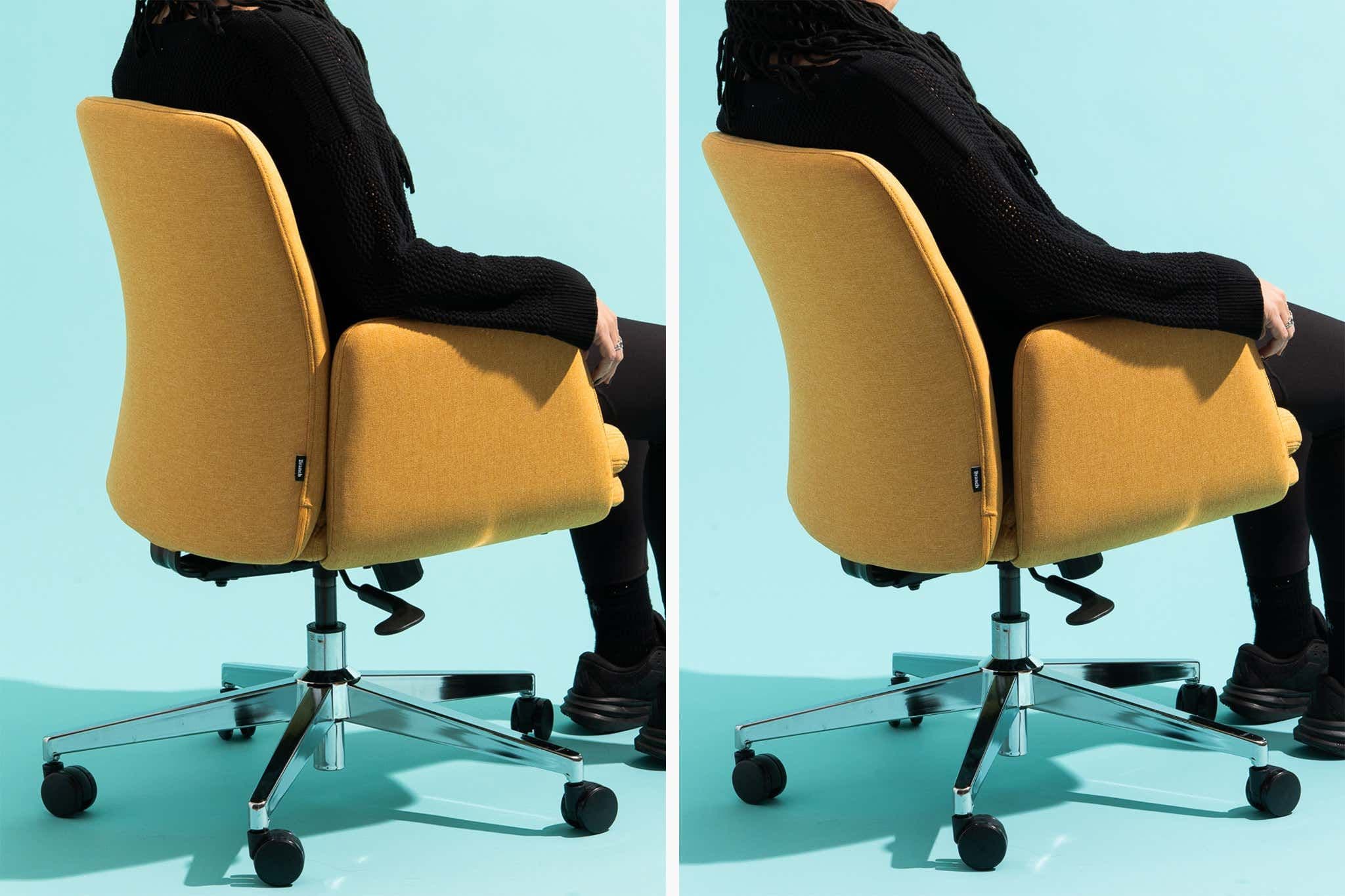
The Best Office Chairs for Long Hours, Tested by an Ergonomist
We sat in seven ergonomic chairs for 8+ hour workdays. Here is what survived — from a Steelcase Gesture down to a $480 sleeper pick.