

Pick a bedside reading lamp that protects your eyes and your sleep: target 2700-3000K, 400-800 lumens, a directional shade at eye level, and a dimmer or smart bulb so a midnight wake-up doesn't blast you awake.
A good bedside reading lamp does three quiet jobs at once: it lights your page without straining your eyes, it doesn't blast your partner awake, and it puts you in the mood to actually fall asleep when you close the book. Most bedroom lamps fail at least one of those tests — usually the third — because they're sold as decor first and reading tools second.
This guide walks through the five specs that actually matter (brightness, color temperature, height, shade size, switch type), plus the placement and bulb tips interior designers and Wirecutter editors keep flagging in 2026.
A reading lamp is task lighting: it's directional enough to light your book without illuminating the entire bedroom and, critically, without flooding your partner's side of the bed. Brightech's lighting guide makes this distinction explicitly — a bedside reading lamp must be directional in a way an ambient table lamp doesn't have to be.
If you sleep solo, one lamp on the nightstand is plenty. Couples should plan on two — one per side — so each person can read or get up at night without disturbing the other. Queen and king beds with two nightstands almost always look better with a matched pair anyway.
Forget watts — modern LED bulbs use a fraction of the wattage of an old incandescent. Look at the lumens number on the bulb box. For comfortable reading at arm's length, a bedside lamp should put out roughly 400-800 lumens at its brightest setting (equivalent to a 40-60W incandescent).
More important than peak brightness: the lamp should dim. Wirecutter's editors put dimming on their non-negotiable list because a fixed-brightness lamp either jolts you awake when you click it on at 2 a.m. or is too dim to read by. Buy a lamp with an in-line dimmer, a 3-way socket, or use any lamp with a smart bulb so you can drop the output without leaving bed.
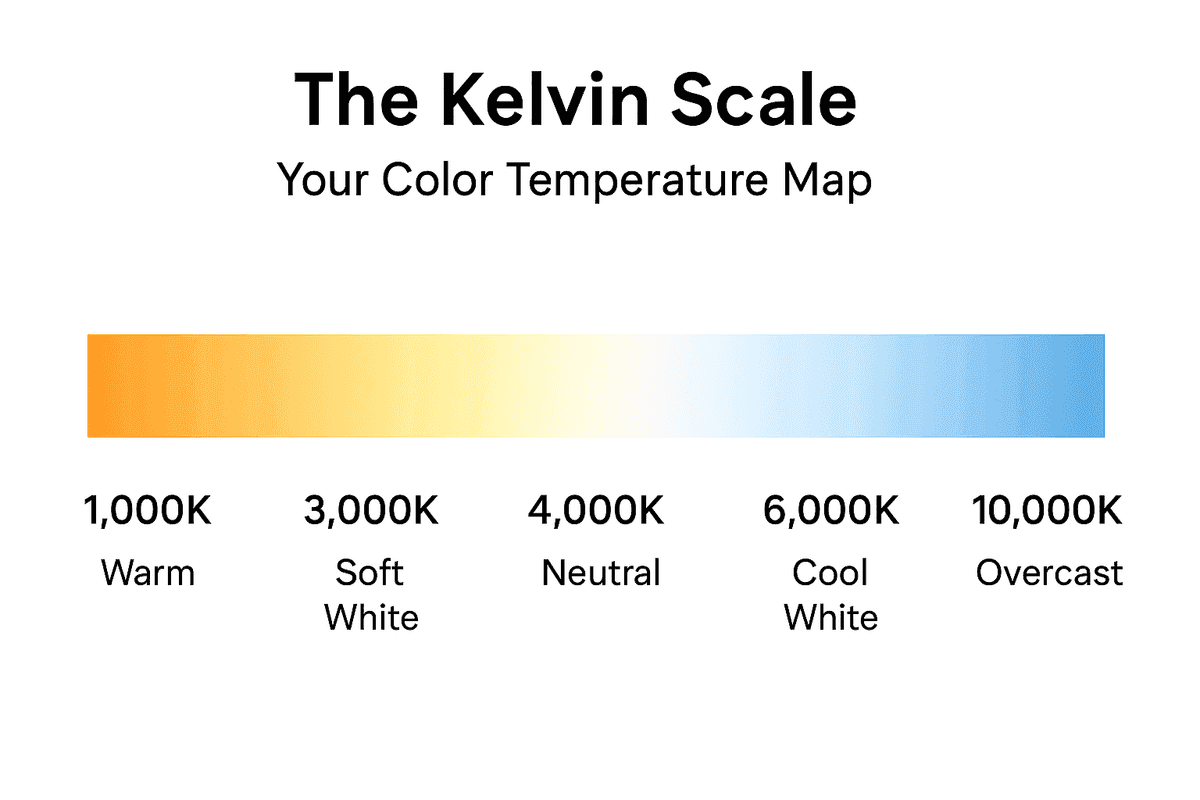
Color temperature is measured in Kelvin (K). Lower numbers = warmer, more amber light; higher numbers = cooler, bluer light. Cool white is great for kitchens and offices because it boosts alertness — which is exactly what you don't want before sleep.
For a bedroom reading lamp, stay in the 2700-3000K range ("soft white" or "warm white" on most bulb packaging). This pairs comfortable readability with a wind-down feel and doesn't suppress melatonin the way a 5000K "daylight" bulb does.
When you're sitting up in bed reading, the bottom edge of the shade should sit roughly at eye level. That keeps the bulb itself out of your line of sight (no glare) while letting the cone of light hit your page. The widely cited rule of thumb: pick a lamp roughly equal to the nightstand's height, and no more than about 1.2x taller. A 27-inch nightstand calls for a lamp 27-32 inches tall.
If your nightstand is unusually low or you have a tall headboard, measure where you actually sit upright in bed and aim for the shade bottom 18-24 inches above the mattress.
An opaque or lined shade controls glare; a thin paper or open-bottom shade lets the bulb shine straight in your eyes when you lie down. Two sizing rules from interior designers worth following:
Drum and empire shades direct light down onto the page; tall cylinder shades cast more ambient glow. For pure reading, lean drum.
Reaching up under a hot shade in the dark to find a tiny rotary knob is the worst part of cheap bedside lamps. Better options, in rough order of preference for nighttime use:
One annoying detail to check before you buy: confirm the lamp dims from bright down to dim, not the other way around. Several popular touch lamps cycle low → medium → high, which means turning it on at night blinds you for a second.
The default is a table lamp on the nightstand, but it isn't always the right call. Designers and Lamps Plus both flag wall-mounted swing-arm sconces as the best move when nightstand space is tight or you want the lamp head closer to the page than a table allows. A floor lamp behind the headboard works for a reading chair near the bed but rarely lights a pillow well from across the room.
Clip-on book lights are a fine backup for travel or for a partner who reads later, but they're not a primary bedroom lamp — they're too dim for long sessions and look temporary on a permanent nightstand.
Use this as a quick reference when you're standing in the bulb aisle:
Before you buy, run the lamp through this:
A directional table lamp or wall-mounted swing-arm sconce with a lined drum shade, a dimmable 2700-3000K bulb in the 400-800 lumen range, and a switch you can reach without sitting up. Touch-base and smart-bulb lamps win for nighttime use because you don't have to fumble for a knob in the dark.
Match the lamp's total height to the nightstand's height (or up to 1.2x taller). For a 27-inch nightstand, that's a lamp 27-32 inches tall. Functionally, what matters is that the bottom edge of the shade sits roughly at your eye level when you're sitting up in bed reading.
Around 400-800 lumens at the brightest setting is plenty for reading at arm's length. Going much higher creates glare and disturbs a sleeping partner; much lower causes eye strain. A dimmable lamp lets you cover both reading and ambient-glow modes from one bulb.
Warm. Stay between 2700K and 3000K ("soft white" or "warm white"). Cooler 4000K+ bulbs feel like an office and have been shown to suppress melatonin, which makes falling asleep harder once you put the book down.
If you share the bed, yes — one per side. A single lamp forces one partner to read in the other's shadow and to lean across to turn it off. Solo sleepers do fine with one, though a matching pair on a queen or king still looks more balanced.
Yes, and it's the simplest upgrade for a lamp you already own. A Wi-Fi or Bluetooth smart bulb in a standard E26 socket gives you dimming, scheduling, and color-temperature control via your phone or voice — no rewiring required.

Written by
Banner Mattress EditorialThe Banner Mattress editorial team is a collective of sleep experts, mattress design researchers, production specialists, and industry veterans publishing independent reviews and sleep guidance since 2018. We've personally tested over 1,000 mattresses and 3,000+ pillows, sheets, and sleep accessories — every recommendation is based on hands-on evaluation in our review lab, not vendor talking points. Our work covers brand reviews (Saatva, Helix, Nectar, Purple, Tempurpedic, and more), buying guides by size and firmness, comparisons, and science-backed sleep health advice. Affiliate links may earn us a commission, but never influence which products we recommend.
 Mattress Guides
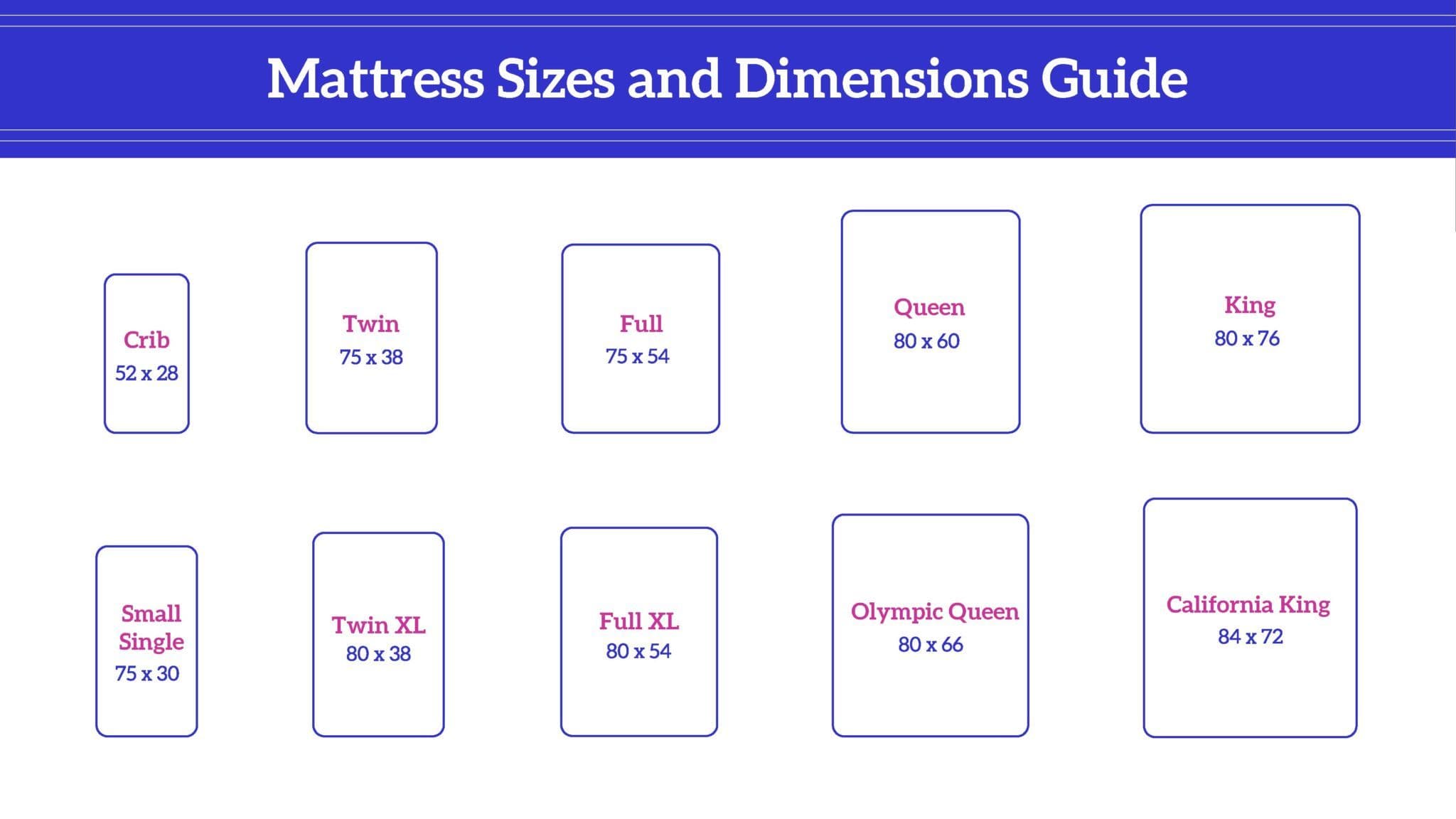
Standard mattress sizes range from Twin to California King. Compare dimensions, see who each size fits best, and learn how to choose the right one for your room.
 Mattress Guides
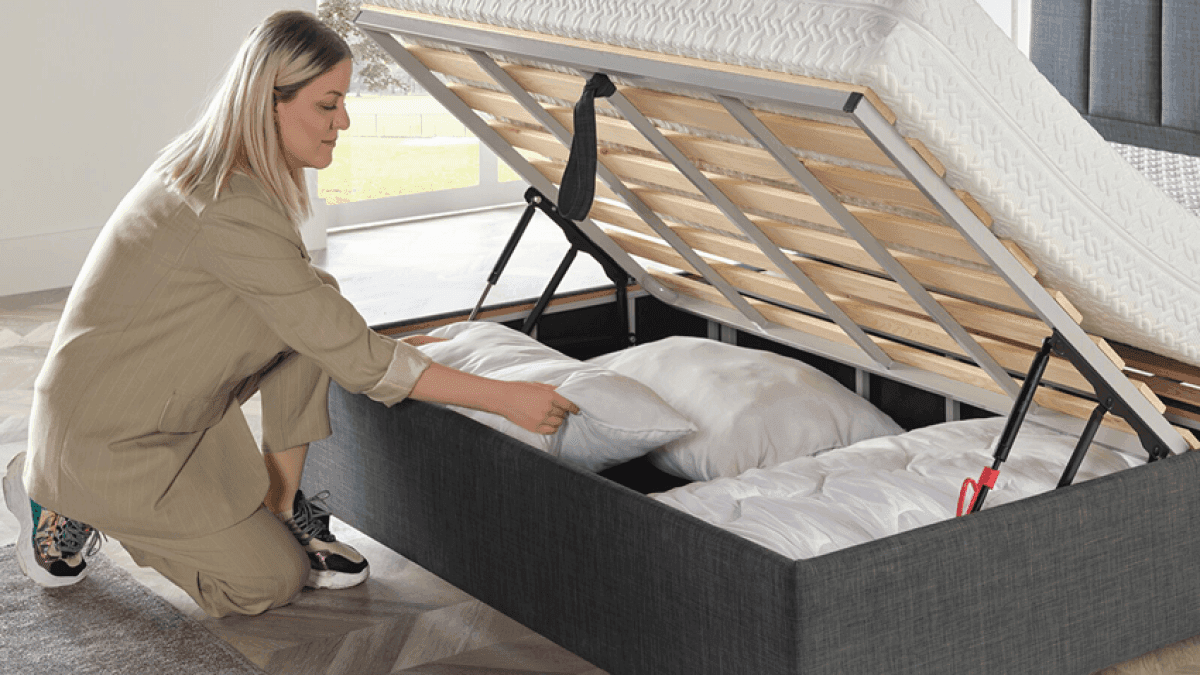
Whether you actually need a box spring depends on your mattress and bed frame. Here's how to pick the right type, height, and size — or skip it entirely.
 Mattress Guides
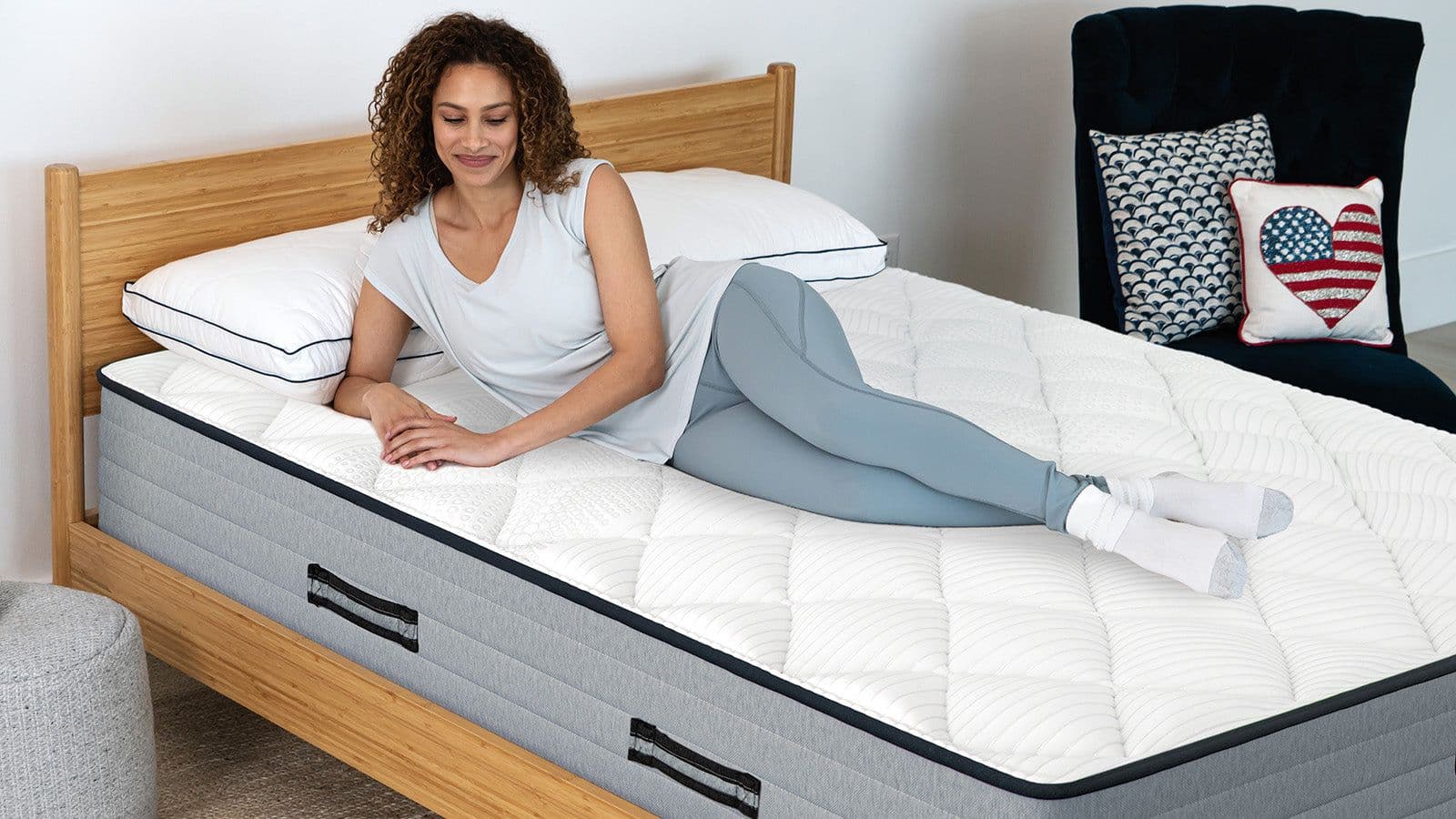
Mattress firmness is rated on a 1-to-10 scale and is one of the biggest drivers of sleep quality. Here's how to match the right level to your sleep position, body weight, and pain points.