
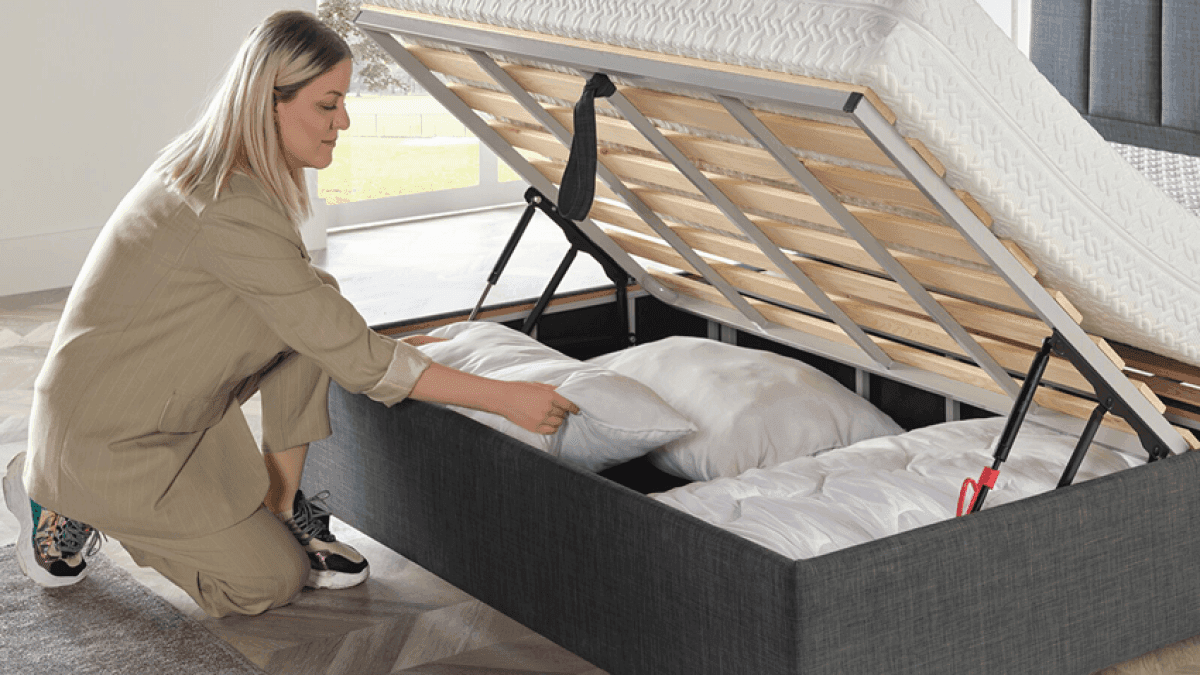
Whether you actually need a box spring depends on your mattress and bed frame. Here's how to pick the right type, height, and size — or skip it entirely.
A box spring used to be the default companion to every mattress. That is no longer the case. With foam and hybrid beds dominating the market, many sleepers can skip a box spring entirely — while others still need one to keep a warranty valid. This guide explains what a box spring actually does, when you need one, the six things to weigh before buying, and the alternatives worth considering.
Before shopping for one, decide whether your setup actually calls for it. The short answer:
Always check your mattress manufacturer's warranty terms before deciding. Brands like Saatva, Tempur-Pedic, and Nectar each spell out their foundation requirements explicitly, and using the wrong base can void coverage.
A box spring (sometimes called a foundation) is a rigid wood or steel frame, usually wrapped in fabric, that sits between the mattress and the bed frame. Its jobs are simple but real:
Modern box springs rarely contain real coil springs anymore. Most are zero-deflection — meaning the steel or wood inside does not flex — which makes them more compatible with foam mattresses than the bouncy, true-coil units of past decades.

Not all box springs are the same. The five common types you'll see today:
Add the box spring height to your mattress thickness. Most modern mattresses are 11–14 inches deep on their own; pair one with a 9-inch standard box spring and you can end up with a sleep surface over 24 inches off the floor — too tall for many sleepers. A 5- to 6-inch low-profile model is the safer default unless you specifically want a taller bed.
Match the box spring size to the mattress, not to the room. Standard sizes are Twin, Twin XL, Full, Queen, King, and California King — same as mattresses. For Queen and larger, consider a split unit if your hallways or stairwells are tight.
A box spring needs to support the mattress and everyone sleeping on it. Look for a stated weight capacity (most quality units list 500–1,000 lbs for a queen). Reinforced steel frames and a center support beam matter more than coil count.
This is the step the older buying guides skip. Match the box spring to the mattress on top:
Wood frames are common; reinforced steel is more durable and typically lighter. If you have allergies, look for a hypoallergenic or allergen-repellent cover — box springs are a known dust-mite habitat.
Many mattress brands sell a matched foundation alongside the bed, often at a meaningful discount. Buying the manufacturer's recommended pairing also keeps the warranty conditions straightforward. Only shell out for a third-party box spring if you want a specific feature the bundled option doesn't offer.
If a box spring feels like the wrong shape for your setup, you have options:

Check your mattress warranty first. If it requires one, you need it. If you have an innerspring mattress on a metal frame without slats, a box spring also makes sense. Skip it if you have a platform bed, an adjustable base, or a foam mattress on a solid foundation.
Most mattresses sold today are foam or hybrid, and they perform better on rigid platforms or solid foundations than on a flexible coil box spring. Modern bed frames also frequently include slats or solid panels, removing the need for a separate foundation.
Only if it is a zero-deflection or solid-foundation style — meaning the inside does not flex. A traditional coil box spring is too soft for foam, leading to sagging and warranty issues. When in doubt, use a platform bed instead.
A quality box spring usually lasts about 8–10 years. Replace it sooner if you see sagging, hear creaking, or are buying a new mattress — pairing a new mattress with an old, worn foundation accelerates wear.
Yes. The supportive structure is the same; the difference is height. Low-profile units are popular precisely because they pair well with today's thicker mattresses without raising the bed too high.
No. An adjustable base replaces the box spring entirely. Adding a box spring on top would prevent the base from articulating and could damage both pieces.
Browse Banner Mattress's full collection of mattresses, foundations, and bed frames — or chat with our team for a personal recommendation.

Written by
Banner Mattress EditorialThe Banner Mattress editorial team is a collective of sleep experts, mattress design researchers, production specialists, and industry veterans publishing independent reviews and sleep guidance since 2018. We've personally tested over 1,000 mattresses and 3,000+ pillows, sheets, and sleep accessories — every recommendation is based on hands-on evaluation in our review lab, not vendor talking points. Our work covers brand reviews (Saatva, Helix, Nectar, Purple, Tempurpedic, and more), buying guides by size and firmness, comparisons, and science-backed sleep health advice. Affiliate links may earn us a commission, but never influence which products we recommend.
 Mattress Guides
Pick a bedside reading lamp that protects your eyes and your sleep: target 2700-3000K, 400-800 lumens, a directional shade at eye level, and a dimmer or smart bulb so a midnight wake-up doesn't blast you awake.
 Mattress Guides
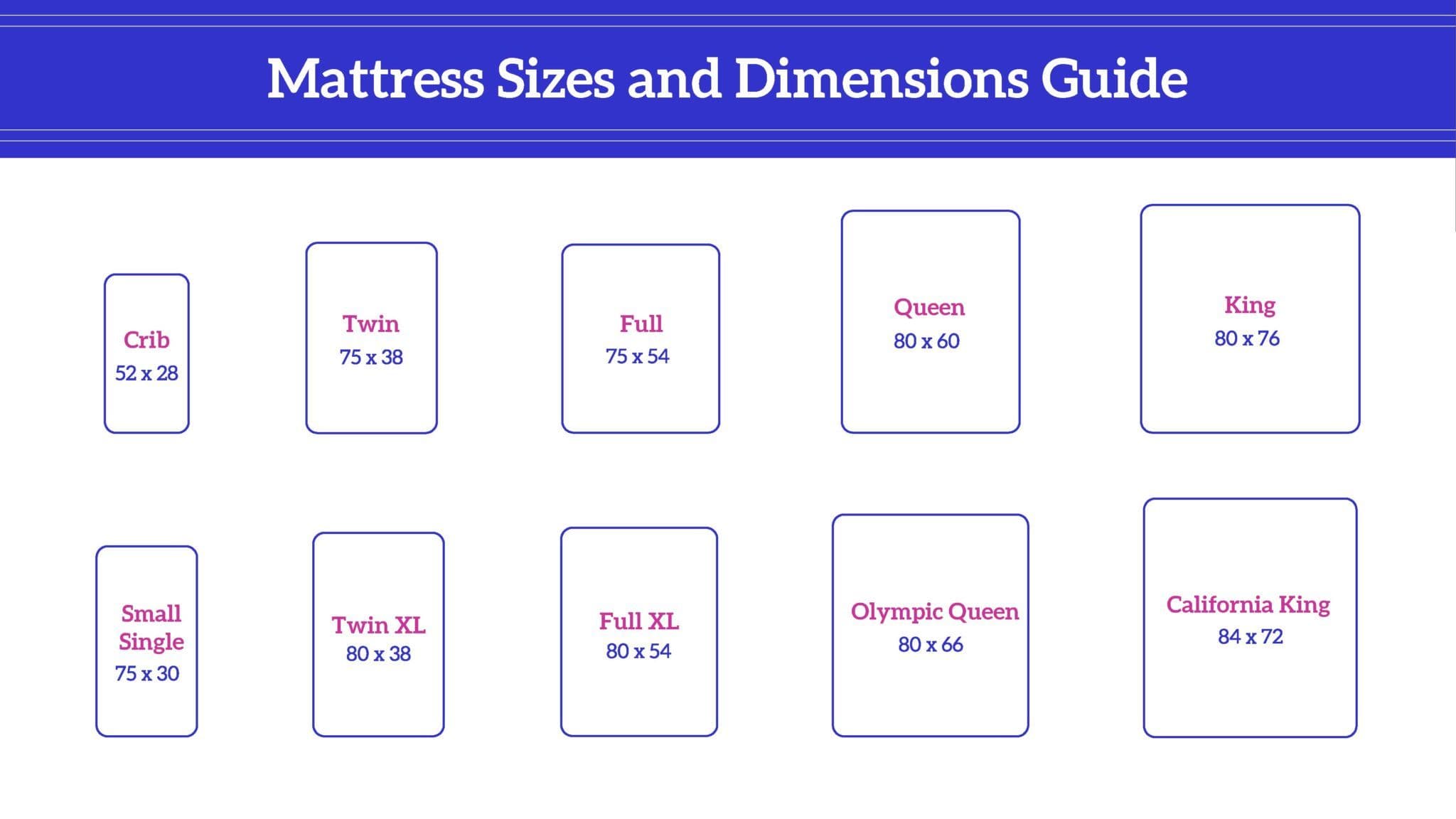
Standard mattress sizes range from Twin to California King. Compare dimensions, see who each size fits best, and learn how to choose the right one for your room.
 Mattress Guides
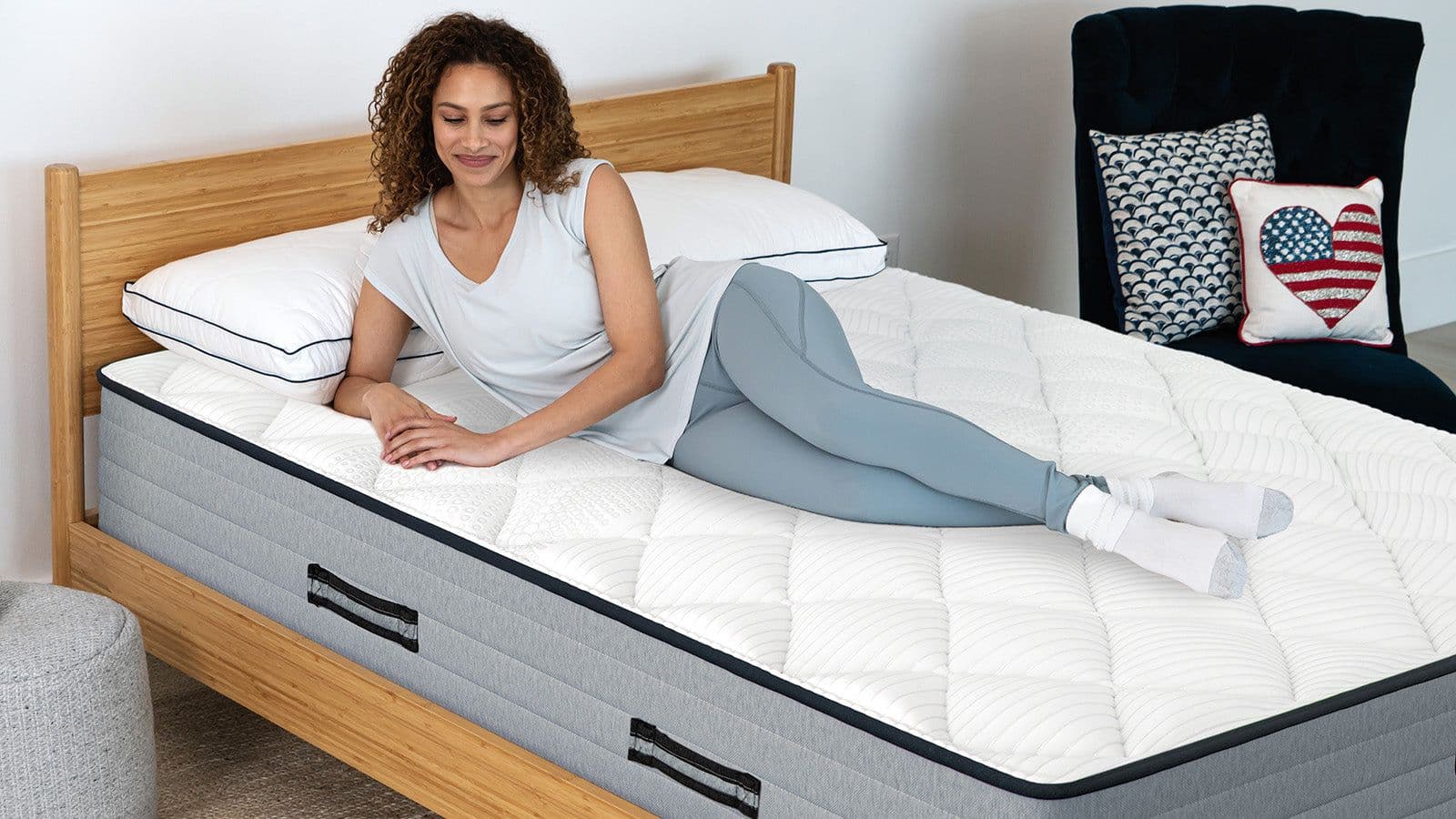
Mattress firmness is rated on a 1-to-10 scale and is one of the biggest drivers of sleep quality. Here's how to match the right level to your sleep position, body weight, and pain points.