
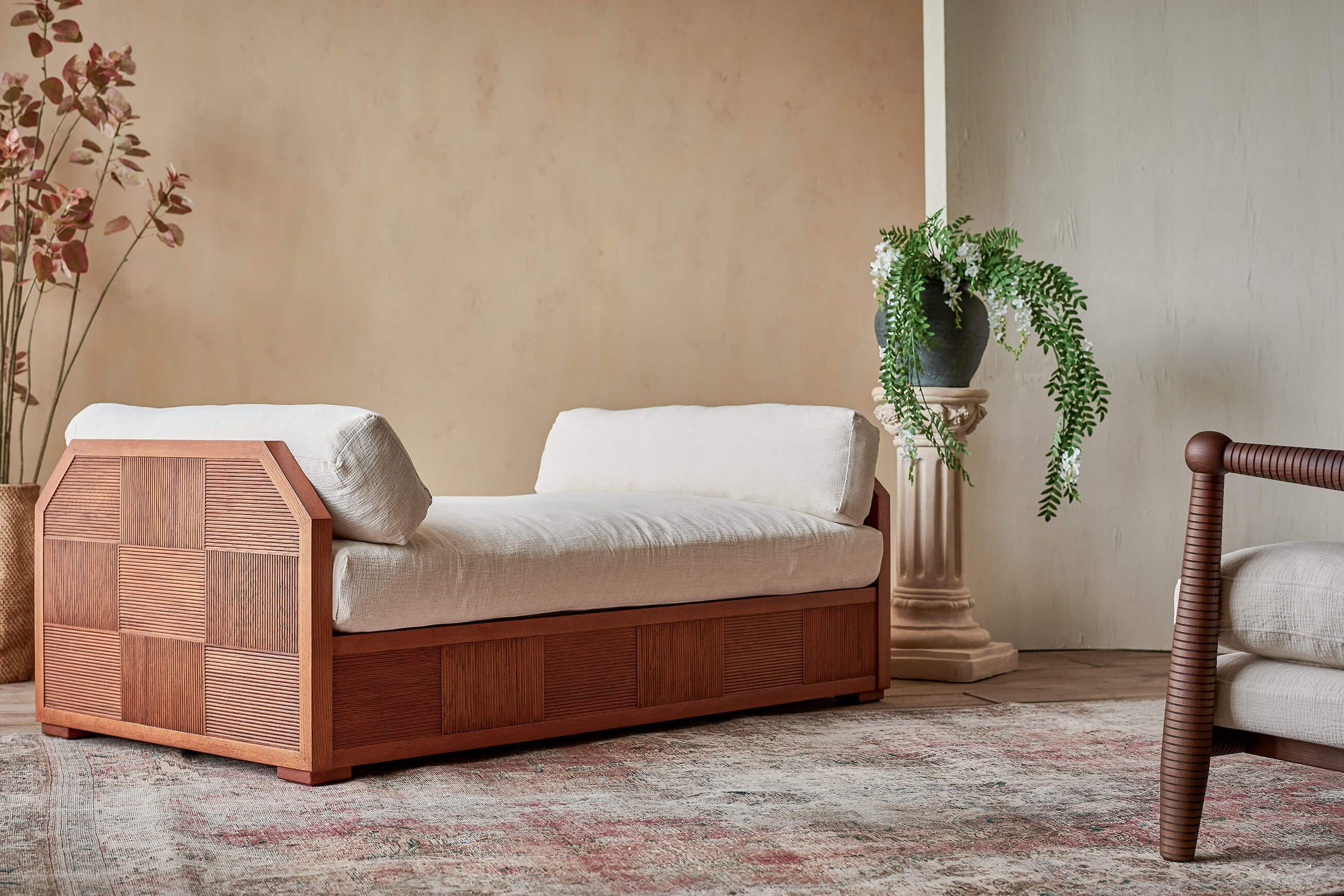
A daybed mattress has to do two jobs: feel firm enough to sit on like a sofa and soft enough to actually sleep on. The right pick is usually a 6-to-8-inch, medium-firm twin built from foam, latex, or low-profile hybrid. Here are six options that hit that brief, plus the sizing, thickness, and material rules to know before you buy.
A daybed lives a double life: it has to feel like a couch when guests are over and like a real bed at the end of the night. The mattress is what decides whether it pulls that off. Pick something too plush and the seat sags; pick something too tall and the backrest disappears. Get it right and a daybed is one of the most flexible pieces of furniture in the house.
Across mainstream daybed mattress guides — Mattress Firm, Puffy, Mattress Insider, and Sleep Foundation — the consensus is the same: a 6-to-8-inch, medium-firm twin built from foam, latex, or low-profile hybrid is the safest bet. Anything thicker than ten inches starts to swallow the back rail; anything softer than medium feels like a sagging couch by week two.
Before the picks, three quick rules that the top SERP results all repeat:
Saatva's Classic is the mattress most editorial daybed guides — Sleep Foundation, Tom's Guide, Forbes — keep coming back to. It's an innerspring hybrid sold in three firmness levels (Plush Soft, Luxury Firm, Firm) and an 11.5" or 14.5" profile. For a daybed, the 11.5" Luxury Firm is the call: the firm Euro-pillow top sits comfortably for daytime lounging, and the dual-coil construction keeps the surface from feeling like a deep mattress trying to be a couch. A 365-night home trial means you can return it if the height is wrong for your specific frame.
Pros: white-glove delivery and old-mattress removal included; three firmness levels (pick Luxury Firm); 365-night trial.
Cons: 11.5" is on the tall side for some sofa-style daybeds; premium price compared to bed-in-a-box twins.
The Dawn is Helix's firm hybrid — pocketed coils under a thin foam comfort layer, designed for back and stomach sleepers. On a daybed it's almost ideal: the firm surface holds shape when used as a couch, and the coil unit gives the bounce you want for an actual sleep. It runs around 11 inches, so it suits daybeds with a deeper rail rather than ultra-low sofa-style frames.
The AS3 is Amerisleep's medium model and the brand's best-seller for a reason: it accommodates back, side, and combination sleepers without picking a single position to optimize for. That makes it the right call for guest-room daybeds where you don't know who's sleeping there next. The Bio-Pur® open-cell foam runs cooler than traditional memory foam, which matters because daybeds tend to live in sun-facing rooms.
Zoma is Amerisleep's value sister-brand, and the Start is the entry-level model — a 10-inch, gel-infused medium foam at well under half the price of the AS3. SERP guides repeatedly flag it as the best memory-foam pick under $700 in twin. It's not the most luxurious mattress on this list, but for an occasional-use daybed in a home office or den, it punches above its weight.
Plank is the rare flippable mattress: one side firm, one side extra-firm. If your daybed is mostly used as a sofa with overnight guests once a quarter, this is the most sofa-like mattress on the list. The trade-off is that side-sleepers will find both sides too firm; this is a back- and stomach-sleeper pick.
The Vaya is a single-firmness, mid-density foam mattress — no fancy materials, no zoned construction, just a comfortable medium feel at a low price. For a kid's-room daybed or a vacation-rental setup where the mattress will see seasonal use, it's hard to beat. 100-night trial is shorter than the Saatva or Helix windows but still long enough to test.
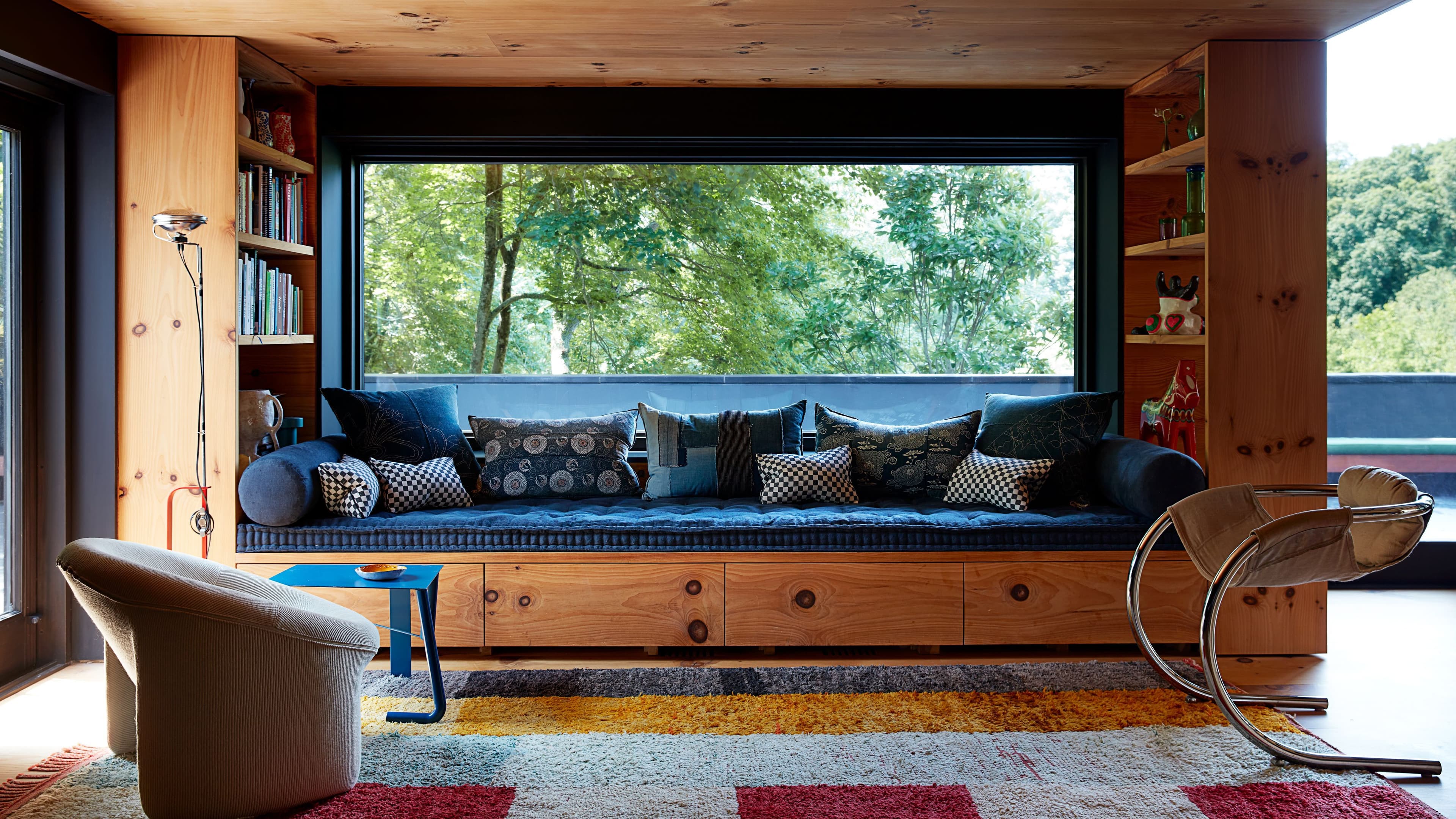
This is the question the SERP gets asked most, and the answer depends on how you'll use the daybed:
Editorial guides line up consistently here:
For 95% of daybeds: yes. A standard daybed takes a 38" × 75" twin. A small number of full-size daybeds exist (54" × 75") and require a full mattress instead. Twin XL (38" × 80") will not fit a standard daybed — the extra 5" of length hangs over the foot rail. Always measure the inside dimensions of the frame before ordering.
No. Standard twin mattresses fit standard daybeds — there's no "daybed-specific" category that matters. What matters is thickness (6–8 inches if you'll mostly use it as a sofa, 8–10 inches if it's a primary bed) and firmness (medium-firm holds up better as a backrest than a plush mattress).
6–8 inches for daybeds used mainly as a sofa, 8–10 inches for nightly sleep. Avoid 12+ inch mattresses on a daybed — they push the seated height up and make the back cushions feel awkward. If your daybed has a pop-up trundle, the bottom mattress needs to be 6 inches or less to clear the frame.
Yes, and it's the most common pick. Foam mattresses come in low profiles, hold their shape under daily sitting, and don't sag at the front edge the way a plush mattress can. Look for medium-firm rather than plush, and check that the profile is 6–10 inches.
No. Twin XL is 80 inches long; standard daybeds are built for a 75-inch twin. The extra 5 inches will overhang the foot rail. Measure the inside frame dimensions before you buy if you're unsure.
Medium-firm. A daybed mattress has to work as a backrest during the day and a sleep surface at night, and medium-firm is the only setting that handles both. Plush mattresses sag visibly under sofa-style use; extra-firm mattresses are uncomfortable to sleep on for most people.
Our 10-inch vs 12-inch mattress guide breaks down which thickness suits which sleeping style — useful before you commit to a daybed mattress.

Written by
Banner Mattress EditorialThe Banner Mattress editorial team is a collective of sleep experts, mattress design researchers, production specialists, and industry veterans publishing independent reviews and sleep guidance since 2018. We've personally tested over 1,000 mattresses and 3,000+ pillows, sheets, and sleep accessories — every recommendation is based on hands-on evaluation in our review lab, not vendor talking points. Our work covers brand reviews (Saatva, Helix, Nectar, Purple, Tempurpedic, and more), buying guides by size and firmness, comparisons, and science-backed sleep health advice. Affiliate links may earn us a commission, but never influence which products we recommend.
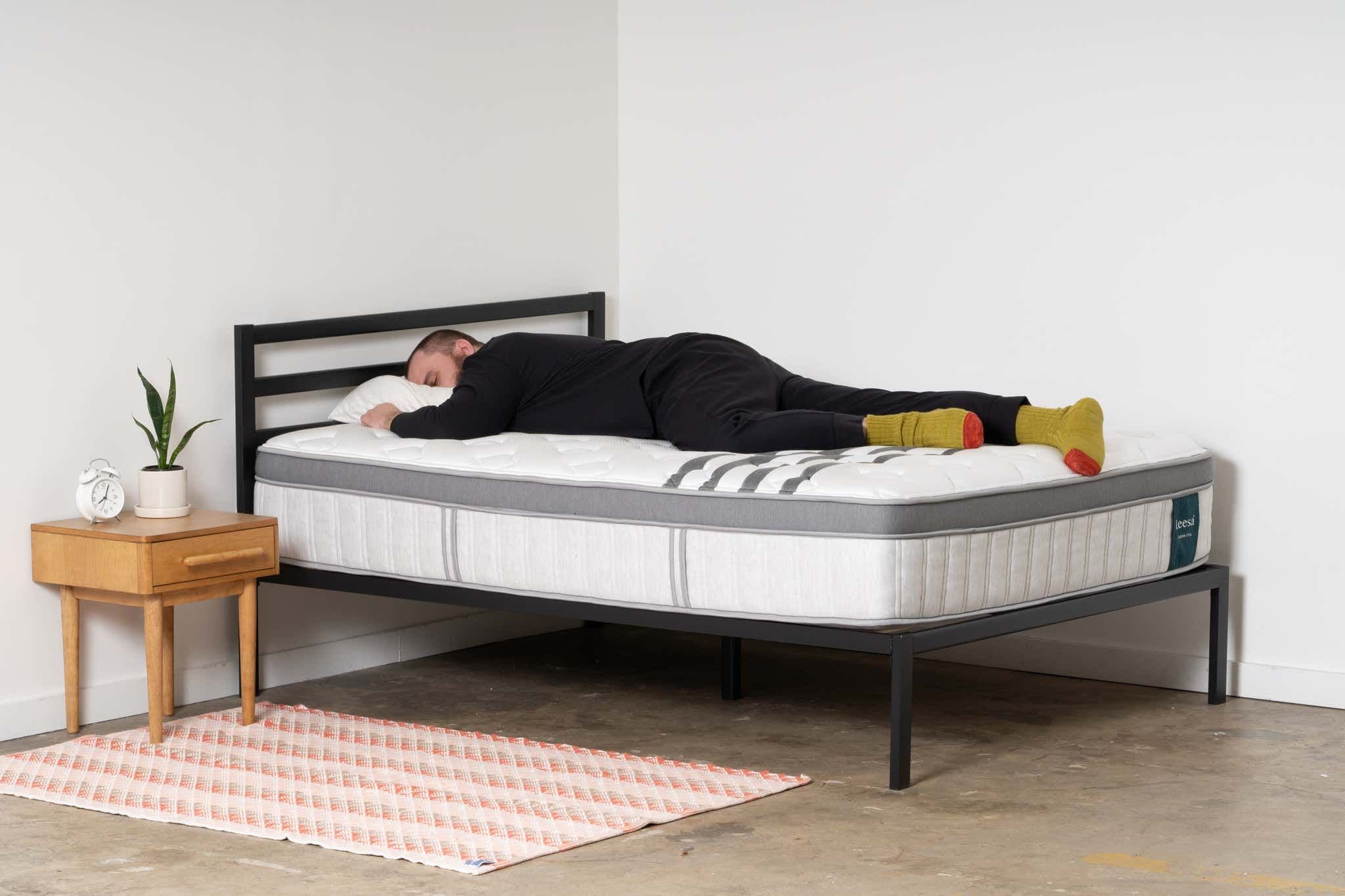 Best Mattresses
Our editor-tested guide to the best 12-inch mattresses. Saatva Latex Hybrid leads for natural builds, DreamCloud for value hybrids, Casper Snow for hot sleepers, and Nectar for plush memory foam — chosen against current SERP consensus.
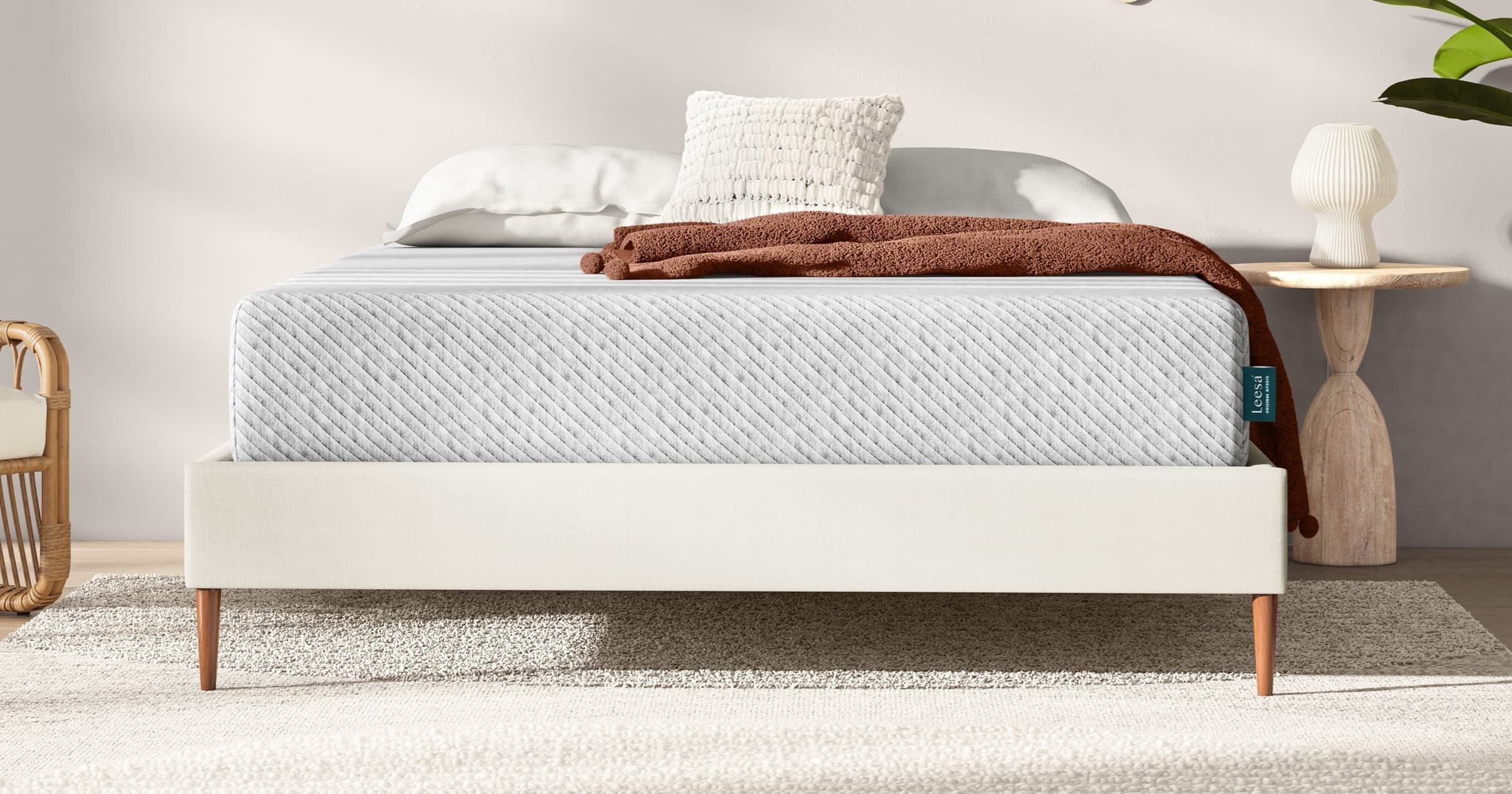 Best Mattresses
A 10-inch mattress is the sweet spot for petite-to-average sleepers, guest rooms, and platform beds. We break down the six 10-inch models that dominate 2026 expert testing — from the Leesa Original to budget pick Siena Signature — with who each suits, what to skip, and how to choose.
 Best Mattresses
A 2026 guide to the best 6-inch mattresses for bunk beds, trundles, RVs, dorms, and guest rooms — with consensus picks, who they fit, and what to skip.