
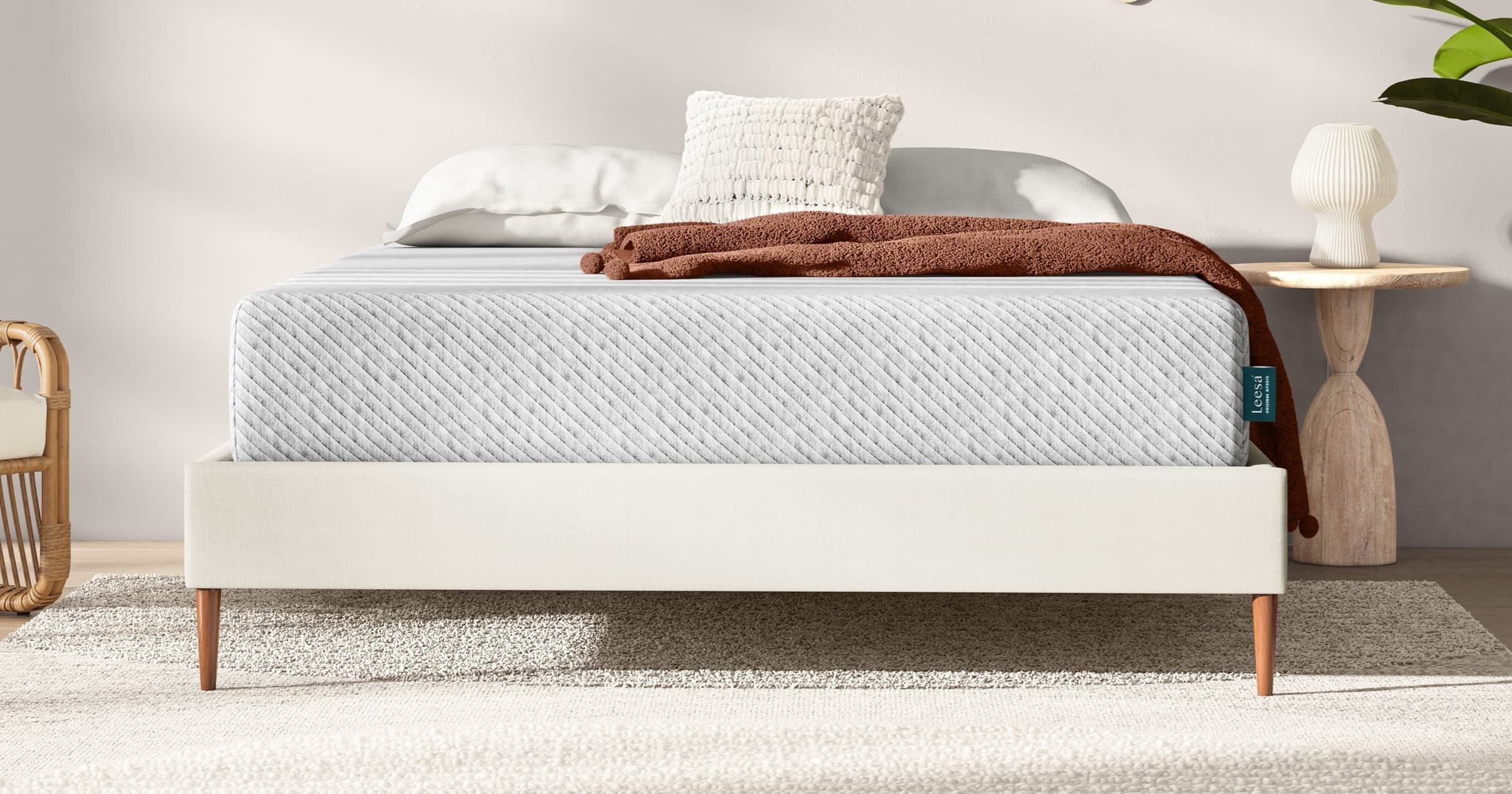
A 10-inch mattress is the sweet spot for petite-to-average sleepers, guest rooms, and platform beds. We break down the six 10-inch models that dominate 2026 expert testing — from the Leesa Original to budget pick Siena Signature — with who each suits, what to skip, and how to choose.
A 10-inch mattress is one of the most versatile profiles you can buy. It clears almost every platform bed and bunk, costs less to ship than a 12- or 14-inch flagship, and — for sleepers under roughly 230 lbs — supplies enough foam or coil depth to get the spine into neutral alignment. The trick is that not all 10-inch beds are equal: budget Amazon foams tend to bottom out within a year, while a few editor-tested models genuinely compete with their thicker siblings.
The picks below come from the 2026 testing rounds at Sleep Foundation, Dweva, and Google's AI Overview consensus for the keyword "best 10-inch mattress." Every model below appeared in at least two independent editorial rankings. Affiliate disclosure: we may earn a commission on purchases made through retailer links — it never changes which beds we recommend.
Per Sleep Foundation's 2026 thin-mattress testing, a 10-inch mattress is most popular with testers under 230 pounds. Above that weight, foam-only 10-inch beds compress too far at the hips and you'll want a hybrid — or a 12-inch model. Beyond body weight, a 10-inch profile is ideal for:
This guide does not retest mattresses in-house. Instead, we cross-checked the top picks against three independent expert rankings — Sleep Foundation, Dweva, and Google's AI Overview consensus — and only included models that appeared in at least two. Then we filtered for: a true 10-inch profile (not 11" or 12" relabeled), a sleep trial of 100 nights or longer, a 10-year-or-better warranty, and CertiPUR-US (or equivalent) foam certification. Brand-direct comparison pages, Amazon-only listings, and Reddit threads were excluded as primary sources.
Six editor-rated 10-inch picks ranked by who they fit best. Firmness shown on a 0–100 scale (50 = medium, 60 = medium-leaning, 70 = firm).
We may earn a commission on purchases made through retailer links — it never changes which beds we recommend.
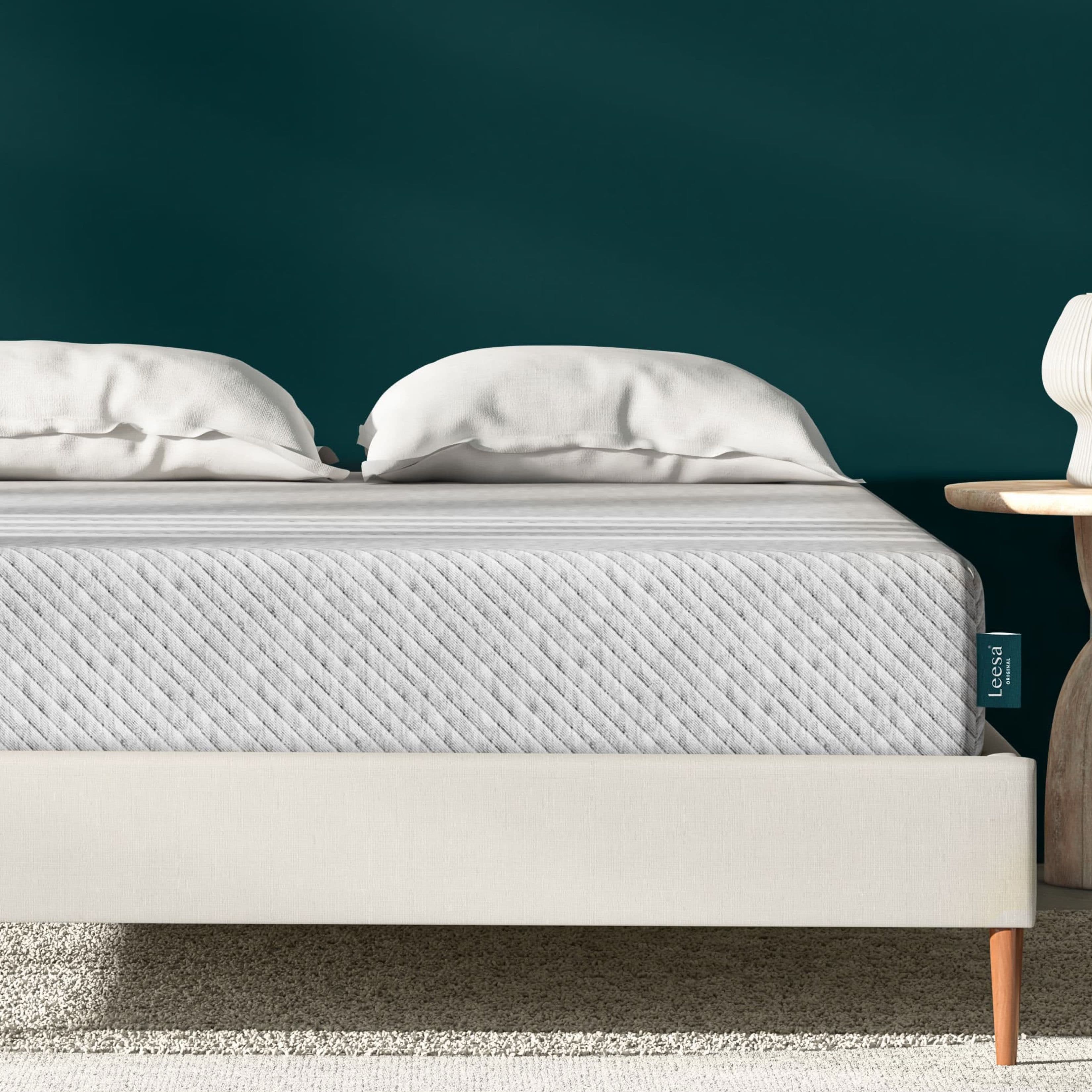
Why it wins: balance. The Leesa Original layers a memory-foam comfort layer over a transition foam and dense base, delivering medium feel (~6/10 firmness) that works for back, side, and combination sleepers. Sleep Foundation called it "popular with all of our testers under 230 pounds," and Dweva named it the best overall 10-inch model after testing the full category.
Trial: 100 nights. Warranty: 10 years. Queen MSRP: ~$1,099 (frequent sale to ~$799).
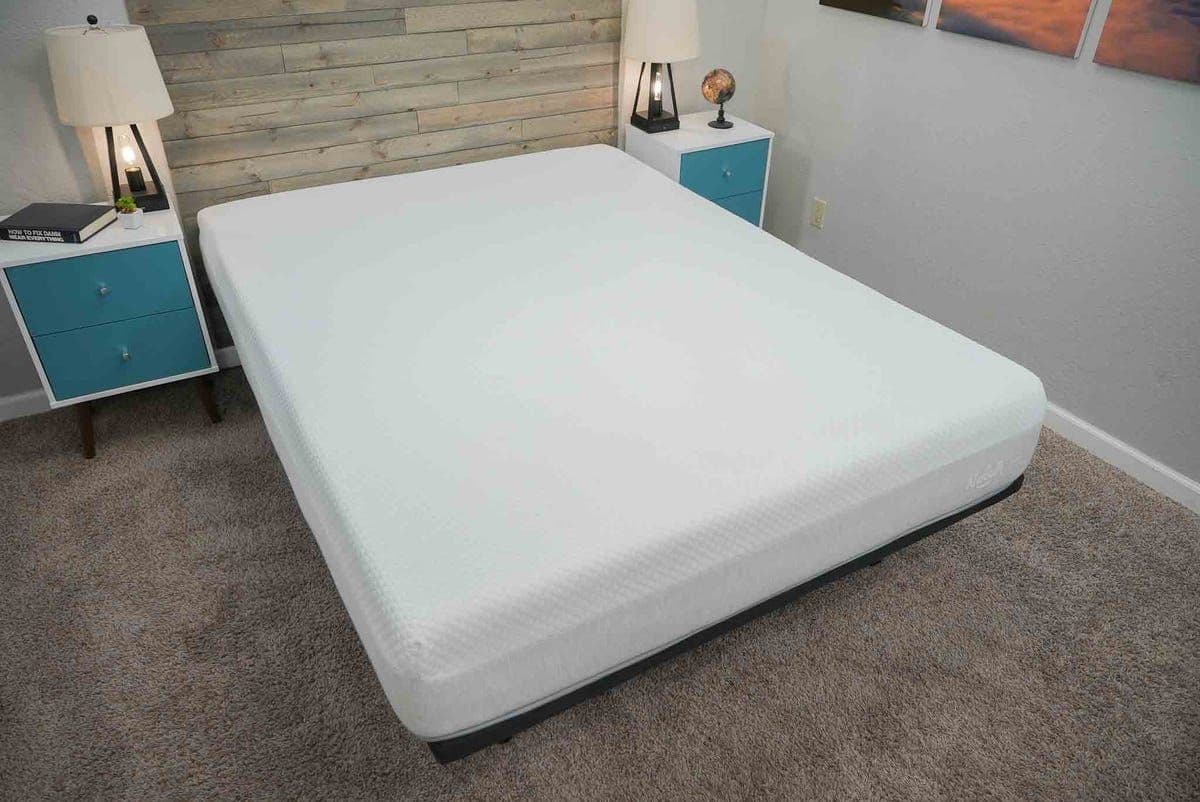
Nolah's proprietary AirFoam is engineered to relieve shoulder and hip pressure without the sink-and-stuck feel of memory foam. Dweva ranked it the top pick for "side sleepers, pressure-point sensitive," and Sleep Foundation named it Best Memory Foam in its 2026 thin-mattress roundup.
Trial: 120 nights. Warranty: lifetime. Queen MSRP: ~$1,499 (frequent sale to ~$899).
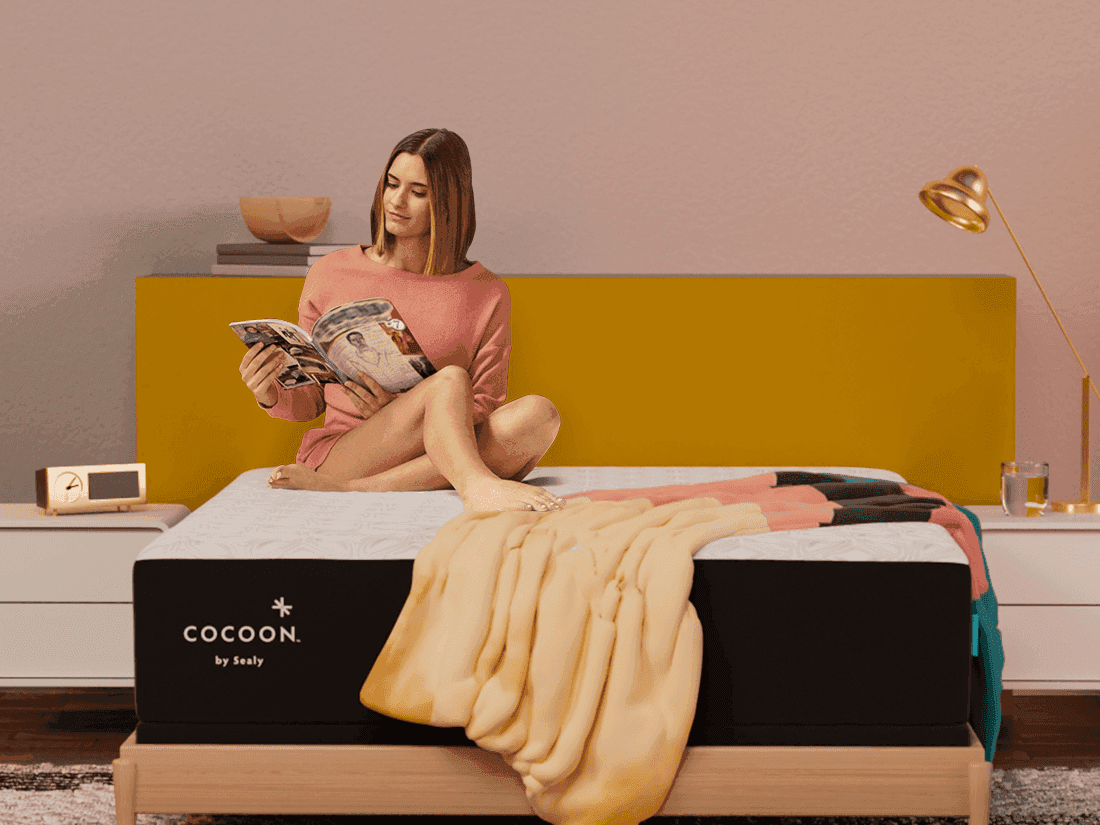
Cocoon by Sealy uses a phase-change cover that feels cool to the touch on contact. Google's AI Overview names it the Best Cooling 10-inch (4.4/5 stars) and it appears in Mattress Firm's curated 10-inch lineup. Internal feel is medium-firm memory foam over high-density support — not as plush as the Leesa, but noticeably cooler in the first 20 minutes of contact.
Trial: 100 nights. Warranty: 10 years. Queen MSRP: ~$769 (frequent sale to ~$619 with bedding bundle).
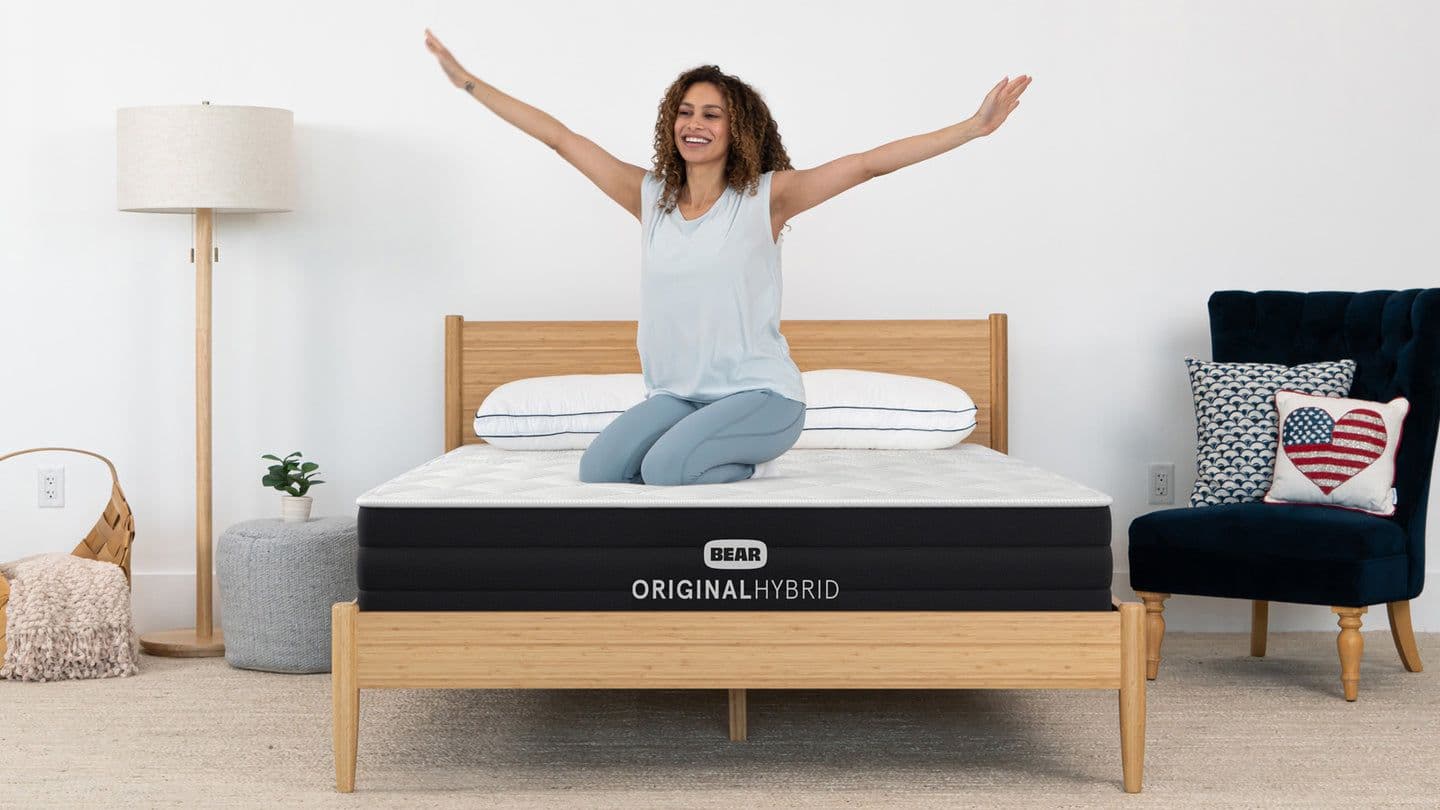
Bear runs firmer than the Leesa and Nolah — closer to 7/10 — which is what stomach sleepers and heavier back sleepers want. Dweva pegs it as the top pick for "back/stomach sleepers, heavier individuals" and Google AI calls it Best Firm-Support (4.4/5). Bear's Celliant cover claims recovery benefits; the firmer feel is the real reason it's on this list.
Trial: 120 nights. Warranty: lifetime. Queen MSRP: ~$998 (frequent sale to ~$698).
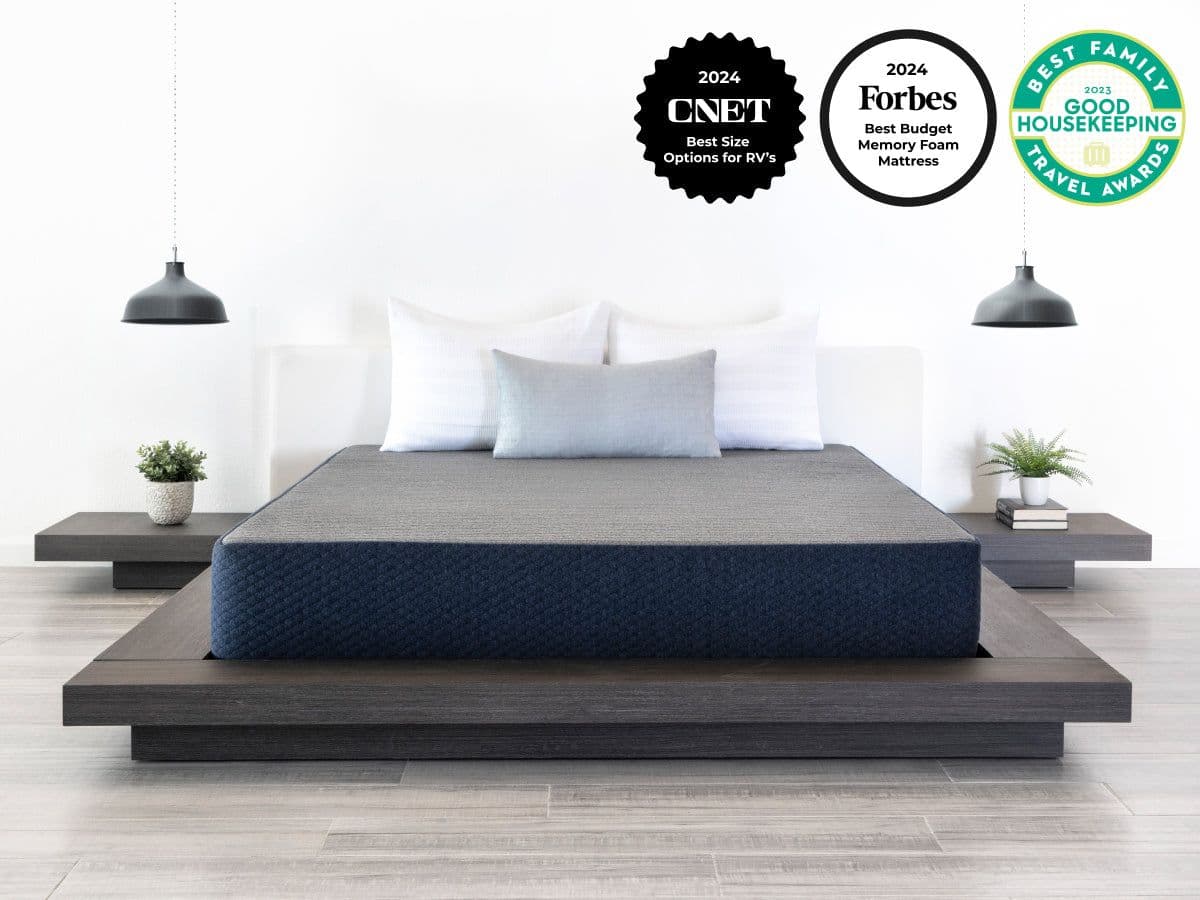
Sleep Foundation named the Dreamfoam Essential its overall best thin mattress for 2026, citing its "versatile, affordable" profile. Unlike most beds in this list, it's a hybrid: a thin foam comfort layer over individually wrapped coils, which gives it more bounce and edge support than the all-foam picks above.
Trial: 120 nights. Warranty: 10 years. Queen MSRP: ~$799 (frequent sale to ~$599).
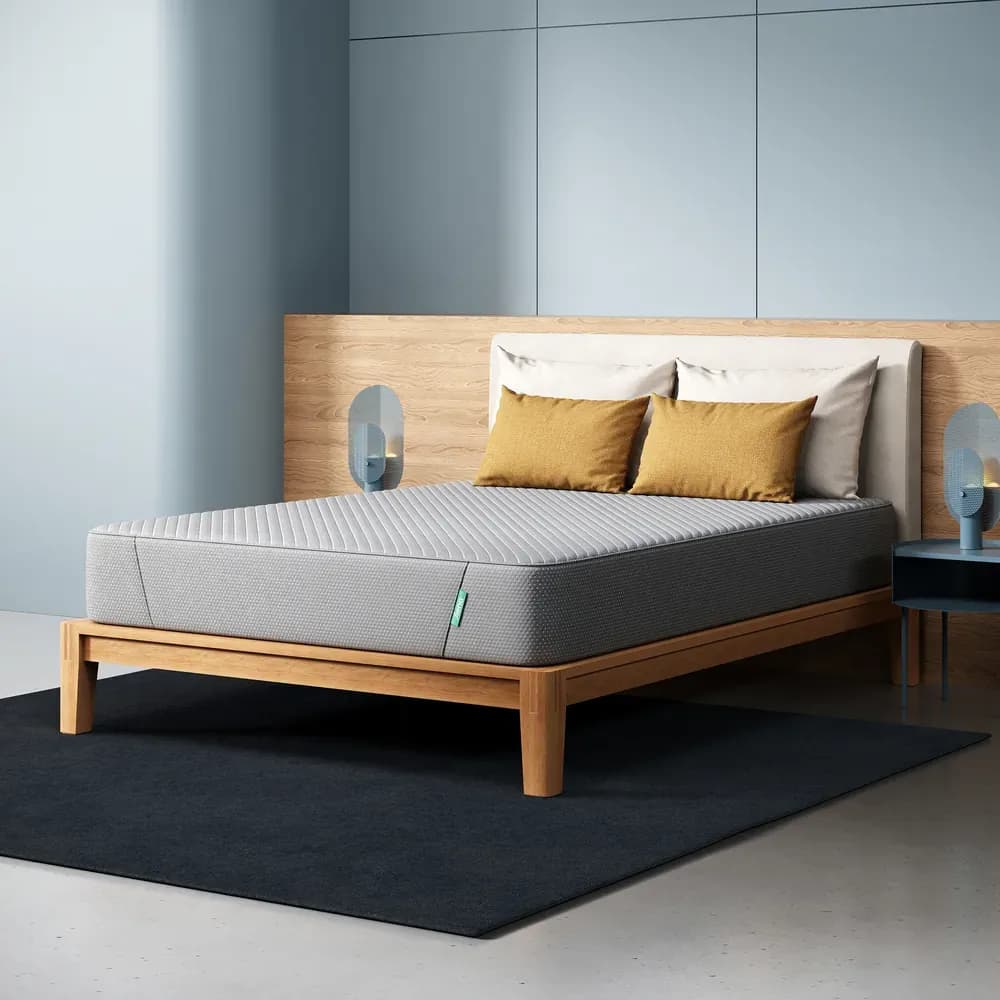
Per Google's AI Overview, the Siena Signature is the budget standout: a queen lands under $400 on sale, with surprisingly competent pressure relief for the price. It's medium-firm memory foam — closer to Bear than to Nolah — and Dweva places it at the top of the firm-leaning budget category.
Trial: 180 nights. Warranty: 10 years. Queen MSRP: ~$799 (frequent sale to ~$349).
Pick by the constraint that matters most:
If none of those constraints feel decisive, default to the Leesa Original. It's the broadest target and the cheapest mistake — every model on this list ships with a 100-night-or-longer trial, so a return is straightforward if it doesn't work out.
For sleepers under about 230 lbs, yes. Sleep Foundation's 2026 testing notes 10-inch mattresses were popular with all testers under that weight. Above 230 lbs, foam-only 10-inch beds compress too far at the hips — switch to a 12-inch model or to a 10-inch hybrid like the Brooklyn Bedding Dreamfoam Essential.
Only if the firmness or material is wrong for your weight and sleeping position. The thickness itself is rarely the cause. Side sleepers who need pressure relief should pick the Nolah; back/stomach sleepers should pick the Bear or Siena. Mismatch on firmness — not on inches — is what causes pain.
The Nolah Original 10 (technically AirFoam, a memory-foam alternative) for side sleepers, and the Leesa Original for everyone else. Both appear in Sleep Foundation, Dweva, and the Google AI Overview consensus rankings for 2026.
It's a tradeoff. Hybrids (like Brooklyn Bedding Dreamfoam Essential) give better edge support and stay cooler. All-foam beds (Leesa, Nolah, Bear) isolate motion better and feel more cradling. If you sit on the edge of the bed often or share with a hot sleeper, lean hybrid.
Editorially-tested 10-inch beds with CertiPUR-US foams typically last 7–10 years with normal use. Cheaper Amazon-only 10-inch foam mattresses often start sagging within 12–24 months — which is why every pick in this guide carries at least a 10-year warranty.
Comparing thicknesses, firmness, or specific brands? Our editorial team has tested the major players — start with the guide that matches your question.

Written by
Banner Mattress EditorialThe Banner Mattress editorial team is a collective of sleep experts, mattress design researchers, production specialists, and industry veterans publishing independent reviews and sleep guidance since 2018. We've personally tested over 1,000 mattresses and 3,000+ pillows, sheets, and sleep accessories — every recommendation is based on hands-on evaluation in our review lab, not vendor talking points. Our work covers brand reviews (Saatva, Helix, Nectar, Purple, Tempurpedic, and more), buying guides by size and firmness, comparisons, and science-backed sleep health advice. Affiliate links may earn us a commission, but never influence which products we recommend.
 Best Mattresses
SERP-aligned guide to the best organic mattress toppers in 2026. Top picks: Saatva (best overall), Avocado Eco (cooling/back pain), Birch (most plush), PlushBeds (most customizable), Naturepedic Adagio (side sleepers), and Silk & Snow (best value).
 Best Mattresses
A 2026 buyer's guide to the best mattresses you can put on a platform or slatted bed without a box spring — Amerisleep AS3 (overall), Helix Midnight Luxe (side), Nectar Luxe (couples), Zoma Boost (luxury), Vaya (budget), PlushBeds Botanical Bliss (latex), Saatva Classic (innerspring).
 Best Mattresses
The best organic mattress protectors of 2026 — five GOTS-certified picks that block spills without PVC, vinyl, or plastic crinkle. Editor-vetted against the current SERP consensus.