
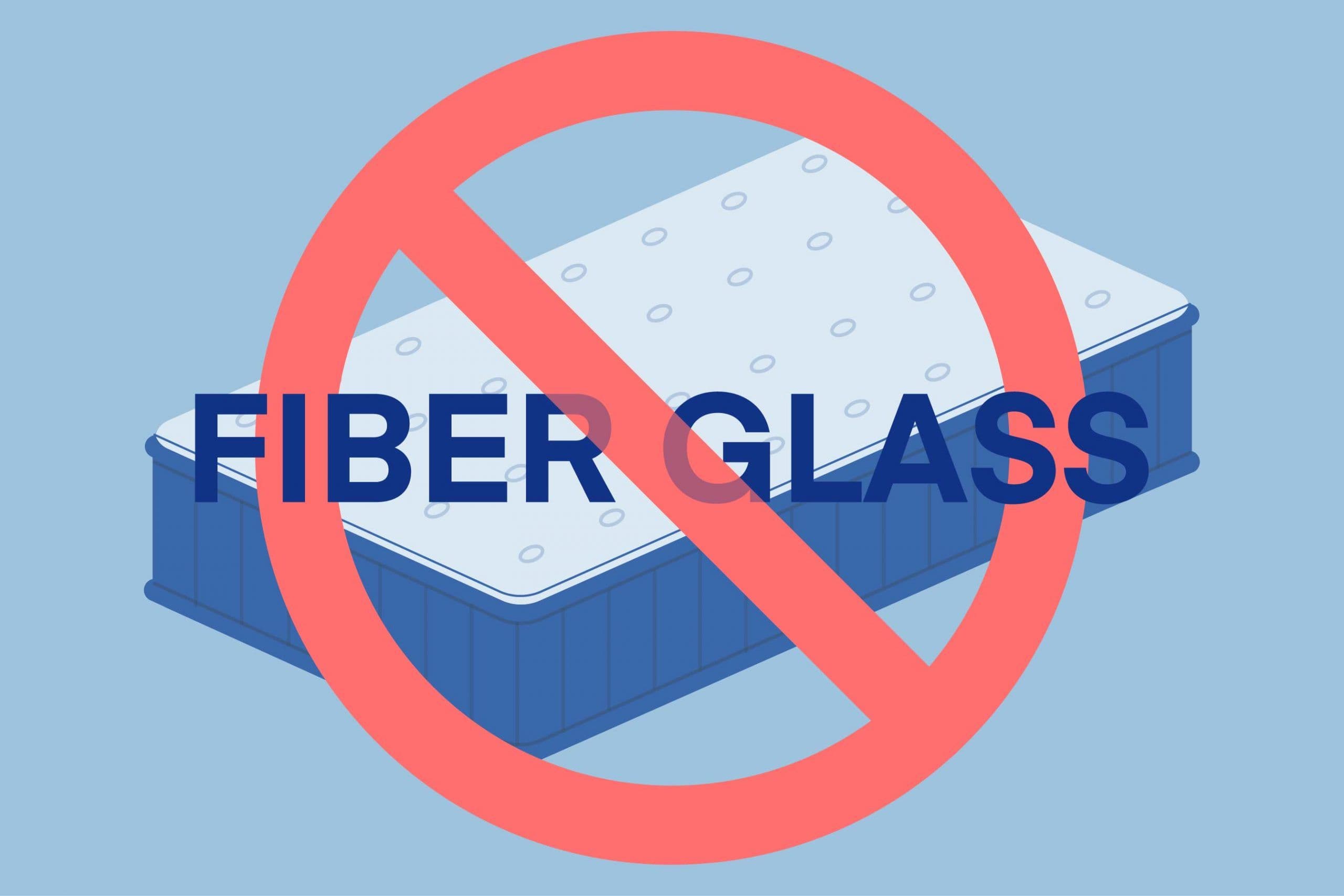
Some Allswell mattresses still use fiberglass as a fire barrier. Here's what's in each model line, why brands use it, how to spot it on a law tag, and the safer steps if you already own one.
Editorial disclosure: Banner Mattress Editorial does not lab-test mattresses. This guide consolidates publicly available reporting and manufacturer disclosures from the sources cited below.
Yes — some Allswell mattresses contain fiberglass, and the brand has not published a clear model-by-model disclosure. Mainstream reviewers including Sleep Junkie, NapLab, and TechRadar all confirm fiberglass is used as the flame barrier in at least the Original line. The general industry consensus reported by Sleep Foundation is that fiberglass is safe while it stays inside the inner cover — the well-known risk only appears when the outer cover is unzipped or torn.
If you want certainty, look for a product that explicitly labels itself “fiberglass-free.”
Fiberglass is woven glass fiber. In a mattress it sits inside an inner sock that wraps the foam core, acting as a passive flame barrier. U.S. mattresses are required to pass an open-flame test under 16 CFR 1633, and fiberglass is the cheapest material that lets a brand meet that standard without expensive chemical treatments or naturally fire-resistant fibers like wool or rayon-treated viscose.
The trade-off, per Each Night, is that if the cover ever fails, the glass fibers can shed into the home. That is the entire safety conversation in one sentence.
Allswell does not publish a unified model-by-model disclosure. From cross-referencing competitor reviews:
We are deliberately not citing exact percentages or specific weave construction — those numbers move between production runs and we have not tested a unit in lab.
Two things to separate:
We are not going to make medical claims here. If you are concerned about respiratory or skin effects, route the question to a clinician, not a mattress blog. The behavioral takeaway is simpler: do not unzip the outer cover.
The closest budget alternatives commonly listed as fiberglass-free in editorial round-ups include Brooklyn Bedding, Saatva, Avocado, Birch, and Bear — see the Each Night roundup and Sleep Junkie list for current consensus picks. We have not independently verified each of those — confirm the law tag on whatever you buy.
No public model-by-model statement exists. The Original line is documented as containing fiberglass; newer Hybrid/Supreme runs are inconsistent. Verify the law tag on the unit you receive.
With the outer cover intact, editorial consensus says yes. The risk surface is opening or damaging the cover.
It is the cheapest legal way to pass the federal open-flame test required for mattresses sold in the U.S.
Read the white law tag on the side panel. If it lists glass fiber / fiberglass / rayon-glass blend, the answer is yes.
As of publication, no across-the-board recall. Class-action complaints have been filed against multiple budget-mattress brands; check the CPSC bulletin and classaction.org for current status.

Written by
Banner Mattress EditorialThe Banner Mattress editorial team is a collective of sleep experts, mattress design researchers, production specialists, and industry veterans publishing independent reviews and sleep guidance since 2018. We've personally tested over 1,000 mattresses and 3,000+ pillows, sheets, and sleep accessories — every recommendation is based on hands-on evaluation in our review lab, not vendor talking points. Our work covers brand reviews (Saatva, Helix, Nectar, Purple, Tempurpedic, and more), buying guides by size and firmness, comparisons, and science-backed sleep health advice. Affiliate links may earn us a commission, but never influence which products we recommend.
 Mattress Guides
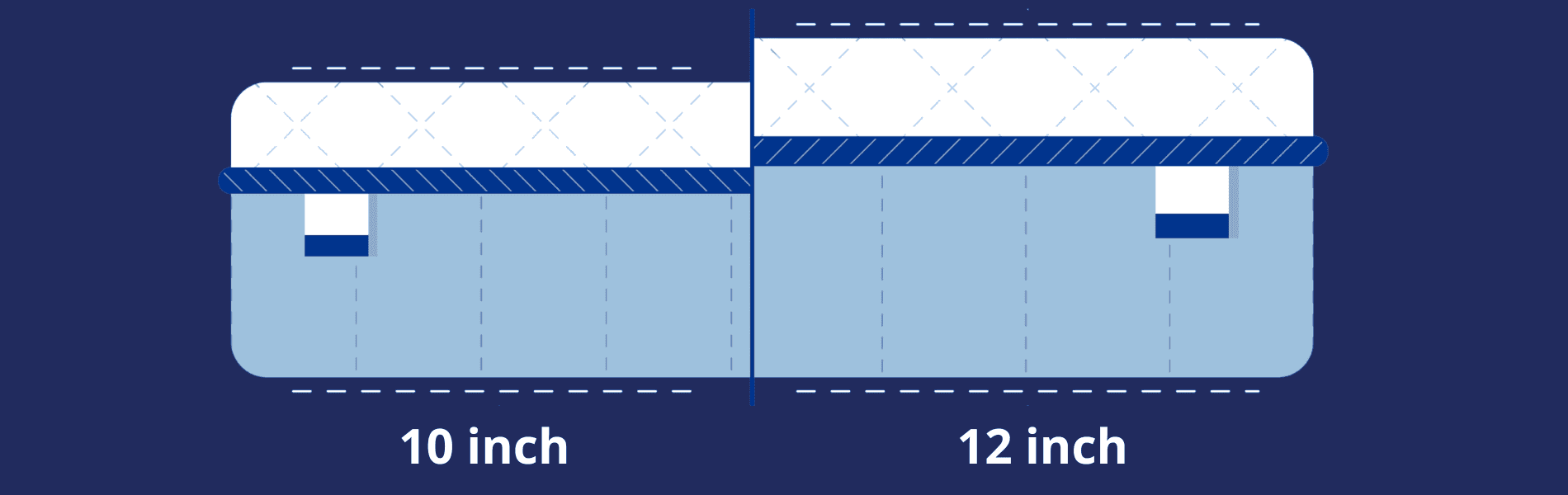
A 10-inch mattress is firmer and best for back/stomach sleepers under 180 lbs. A 12-inch mattress is plusher with better motion isolation, ideal for side sleepers and couples.
 Best Mattresses
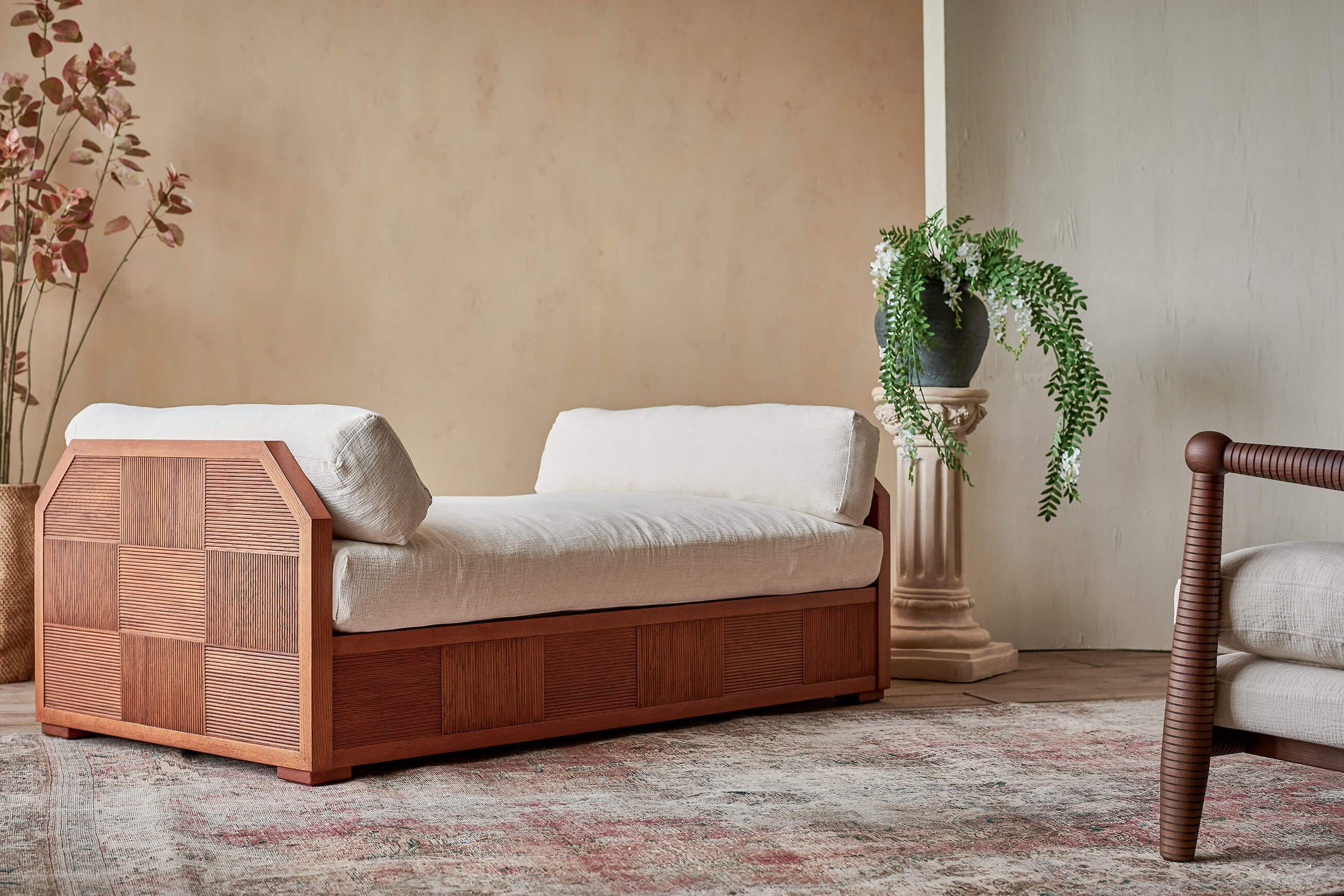
A daybed mattress has to do two jobs: feel firm enough to sit on like a sofa and soft enough to actually sleep on. The right pick is usually a 6-to-8-inch, medium-firm twin built from foam, latex, or low-profile hybrid. Here are six options that hit that brief, plus the sizing, thickness, and material rules to know before you buy.
 Best Mattresses
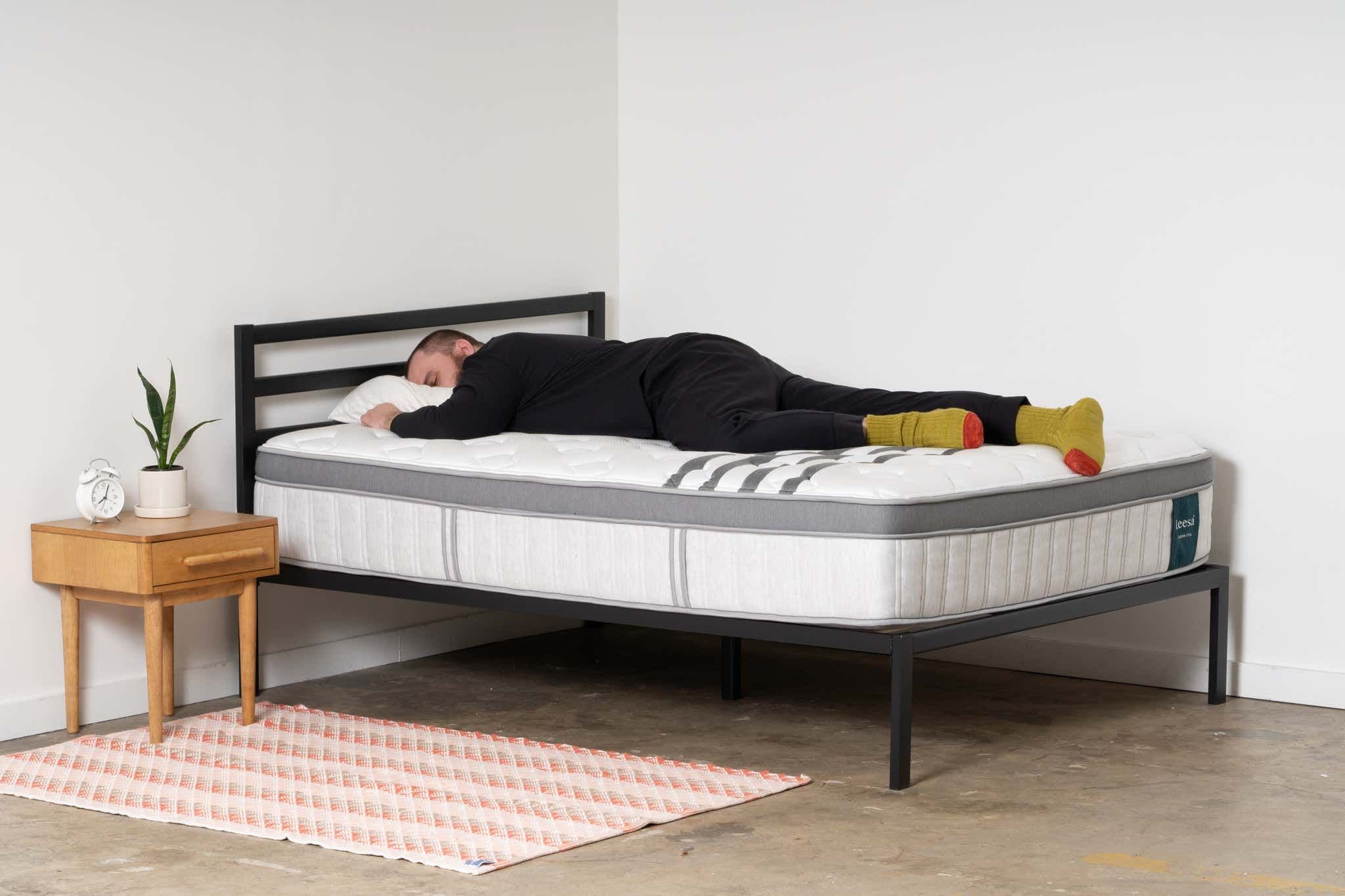
Our editor-tested guide to the best 12-inch mattresses. Saatva Latex Hybrid leads for natural builds, DreamCloud for value hybrids, Casper Snow for hot sleepers, and Nectar for plush memory foam — chosen against current SERP consensus.