
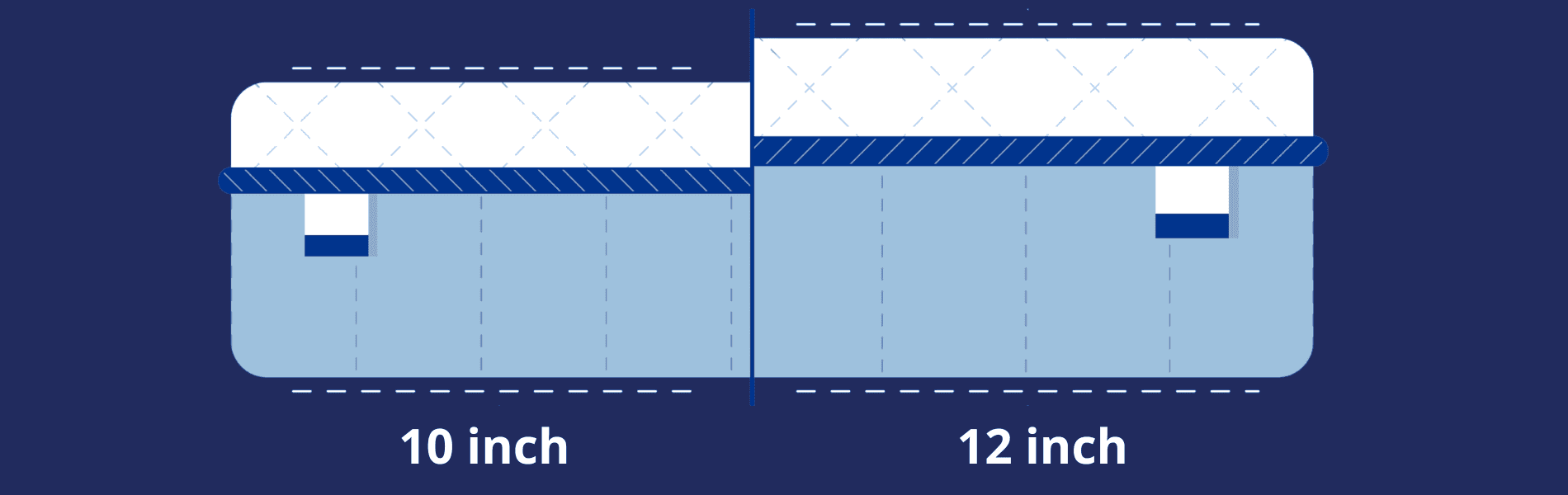
A 10-inch mattress is firmer and best for back/stomach sleepers under 180 lbs. A 12-inch mattress is plusher with better motion isolation, ideal for side sleepers and couples.
A 10-inch mattress is firmer, lighter, and more affordable — best for back and stomach sleepers under 180 lbs. A 12-inch mattress is plusher with better motion isolation and pressure relief — best for side sleepers, couples, and sleepers over 180 lbs. The right pick depends on your sleep position, body weight, and bed setup.
Typical firmness: 10-inch is medium-firm to firm (6-8/10); 12-inch is medium to medium-soft (4-6/10).
Best for sleep position: 10-inch suits back and stomach sleepers; 12-inch suits side and combination sleepers.
Best for body weight: 10-inch under 180 lbs; 12-inch for 180+ lbs and couples.
Motion isolation: 10-inch is moderate; 12-inch is excellent.
Bed-frame fit: 10-inch fits bunks, trundles, low-platform beds; 12-inch fits standard platform and adjustable frames.
Both 10-inch and 12-inch mattresses share the same core construction — comfort layer on top, transition layer in the middle, support core at the base — but the 12-inch profile gets you 2 extra inches of cushioning, almost always added to the comfort and transition layers.
That extra cushioning is what changes the feel. A thinner mattress puts you closer to the support core, so it sleeps firmer. A thicker mattress lets your shoulders and hips sink farther before they hit the support layer, so it sleeps plusher and isolates motion better.
Run through these factors in order. The first one that gives you a clear answer is your answer.
Side sleepers benefit most from a 12-inch profile because shoulders and hips need somewhere to sink. Back and stomach sleepers do fine — often better — on a 10-inch.
Mattress thickness scales with sleeper weight:
Couples lean toward 12-inch for the better motion isolation. Solo sleepers can comfortably go either way.
A 10-inch mattress on a tall platform bed can sit too high to comfortably sit on the edge. A 12-inch mattress on a low platform looks intentional. Add the frame height to the mattress height when planning — you want the top of the mattress at roughly knee-cap level when standing.
10-inch tends to cost less because there's literally less material in it. If two otherwise-comparable mattresses come in both heights, expect the 12-inch to run a few hundred dollars more.
Neither is universally better. A 10-inch is firmer and works for back and stomach sleepers; a 12-inch is plusher and works for side sleepers, couples, and heavier individuals.
Not on its own — but combined with a tall bed frame, the total height can become hard to get in and out of. If you weigh under 130 lbs, a 12-inch may feel like overkill; if you weigh over 230 lbs, it's typically the right starting height.
A 12-inch mattress generally lasts longer — there's more material to fatigue before sagging shows. But build quality and density matter more than thickness alone; a high-density 10-inch can outlast a low-density 12-inch.
A 2-inch mattress topper closes most of the gap. It won't fully replicate a 12-inch's motion isolation, but it adds the cushioning a 10-inch lacks for side sleepers.
Sometimes — more foam can mean more heat retention. But modern 12-inch mattresses with gel-infused or open-cell foams generally sleep no warmer than a 10-inch with the same materials.
Pick by sleep position and body weight first, bed setup and budget second. A 10-inch mattress is the right call for back and stomach sleepers under 180 lbs and for guest-room, RV, or kids'-bed setups. A 12-inch mattress is the right call for side sleepers, couples, and anyone over 180 lbs who wants real pressure relief.

Written by
Banner Mattress EditorialThe Banner Mattress editorial team is a collective of sleep experts, mattress design researchers, production specialists, and industry veterans publishing independent reviews and sleep guidance since 2018. We've personally tested over 1,000 mattresses and 3,000+ pillows, sheets, and sleep accessories — every recommendation is based on hands-on evaluation in our review lab, not vendor talking points. Our work covers brand reviews (Saatva, Helix, Nectar, Purple, Tempurpedic, and more), buying guides by size and firmness, comparisons, and science-backed sleep health advice. Affiliate links may earn us a commission, but never influence which products we recommend.
 Mattress Guides
Some Allswell mattresses still use fiberglass as a fire barrier. Here's what's in each model line, why brands use it, how to spot it on a law tag, and the safer steps if you already own one.
 Best Mattresses
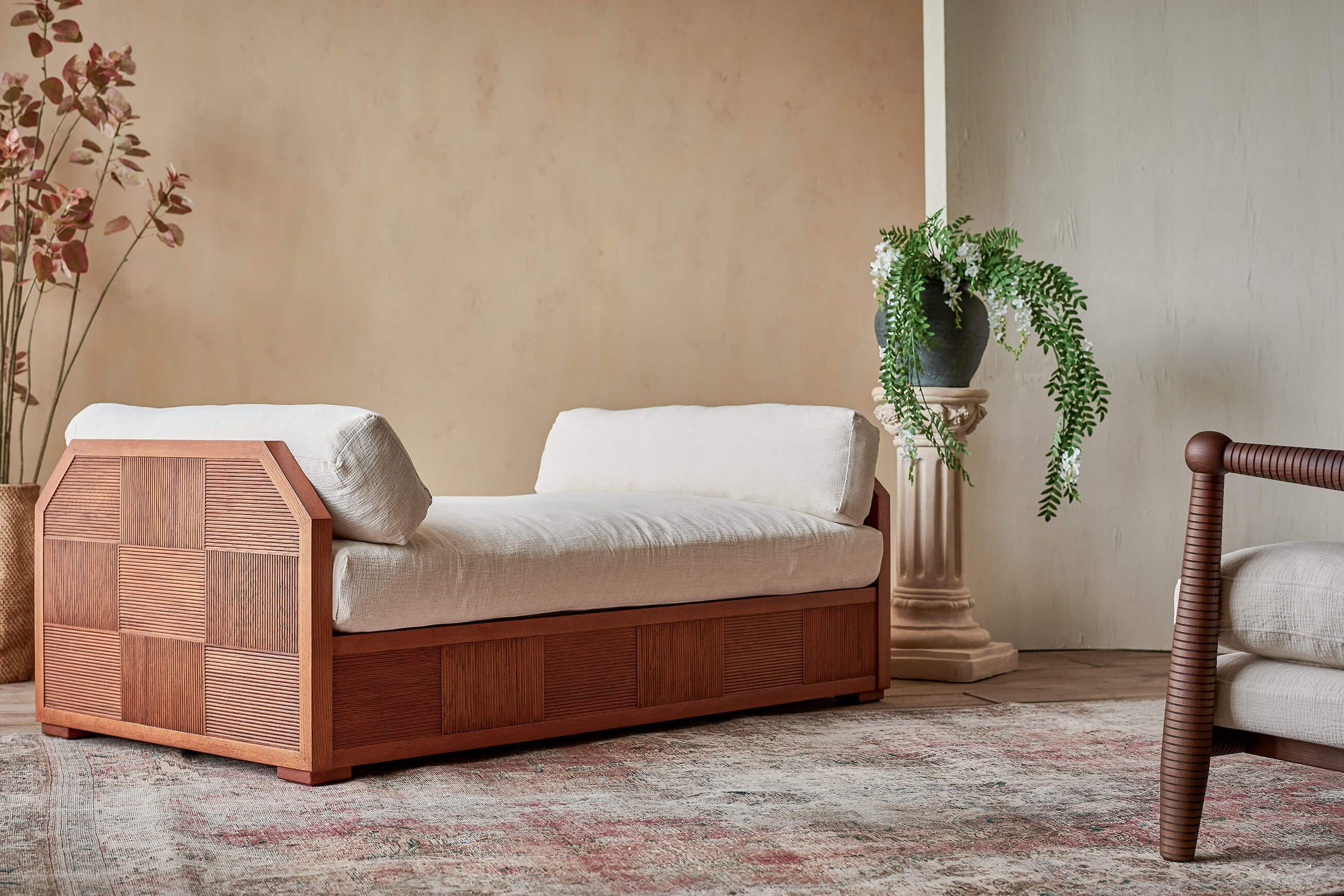
A daybed mattress has to do two jobs: feel firm enough to sit on like a sofa and soft enough to actually sleep on. The right pick is usually a 6-to-8-inch, medium-firm twin built from foam, latex, or low-profile hybrid. Here are six options that hit that brief, plus the sizing, thickness, and material rules to know before you buy.
 Best Mattresses
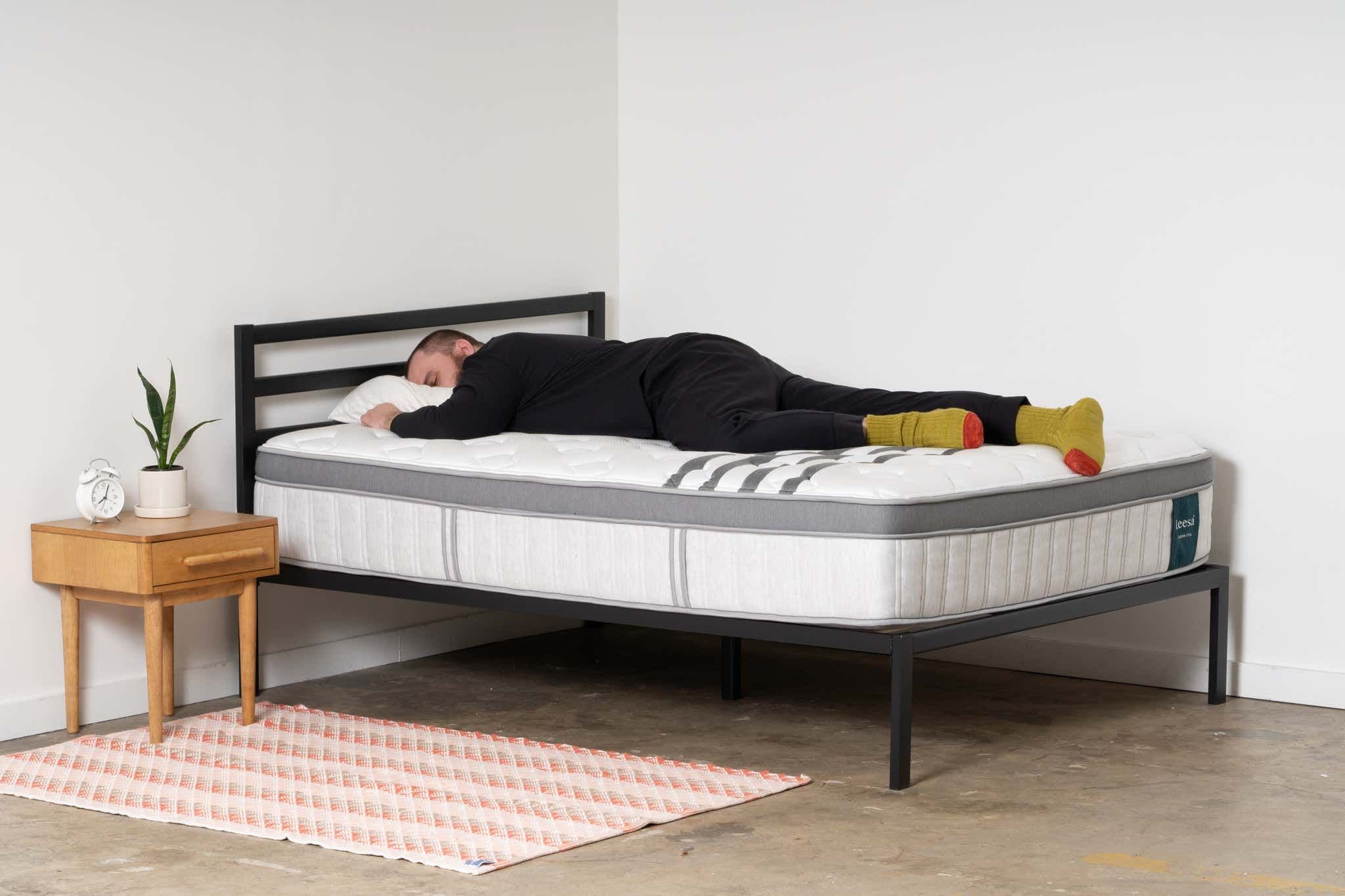
Our editor-tested guide to the best 12-inch mattresses. Saatva Latex Hybrid leads for natural builds, DreamCloud for value hybrids, Casper Snow for hot sleepers, and Nectar for plush memory foam — chosen against current SERP consensus.